


STAR CATCHER
The defining infrastructure project of our time may not be built on Earth.
As humanity moves more technology into orbit, the space economy is on the precipice of a massive industrial revolution. Today, orbital networks already form the invisible backbone of modern life.
Soon, they will host data centers and AI compute, manufacture new materials and medicines in microgravity, power space stations, and carry human activity to the Moon, Mars, and beyond.
To power this leap, Helena is investing in Star Catcher to help build the first electrical grid in space.
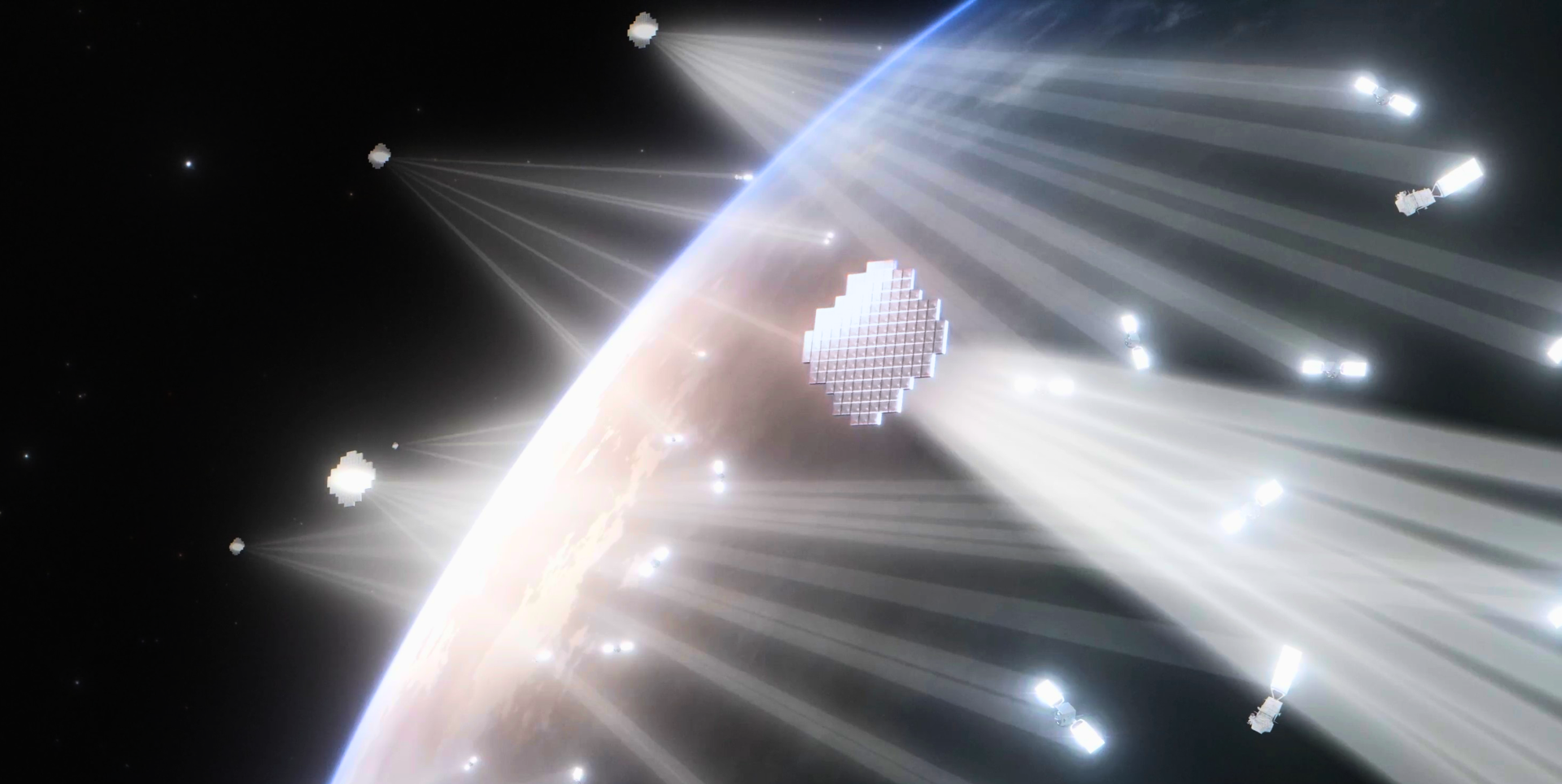
Its Power Nodes collect solar energy in orbit, refine it into wavelengths optimized for existing satellite solar arrays, and wirelessly beam it to client satellites with precision adaptive mirrors.
The result is a new model for space power: shared, wireless, scalable, and available on demand. By enabling up to ten times more power generation without retrofits, Star Catcher is poised to unlock the energy layer needed for a new era of ambition in orbit.
Breaking the Power Bottleneck
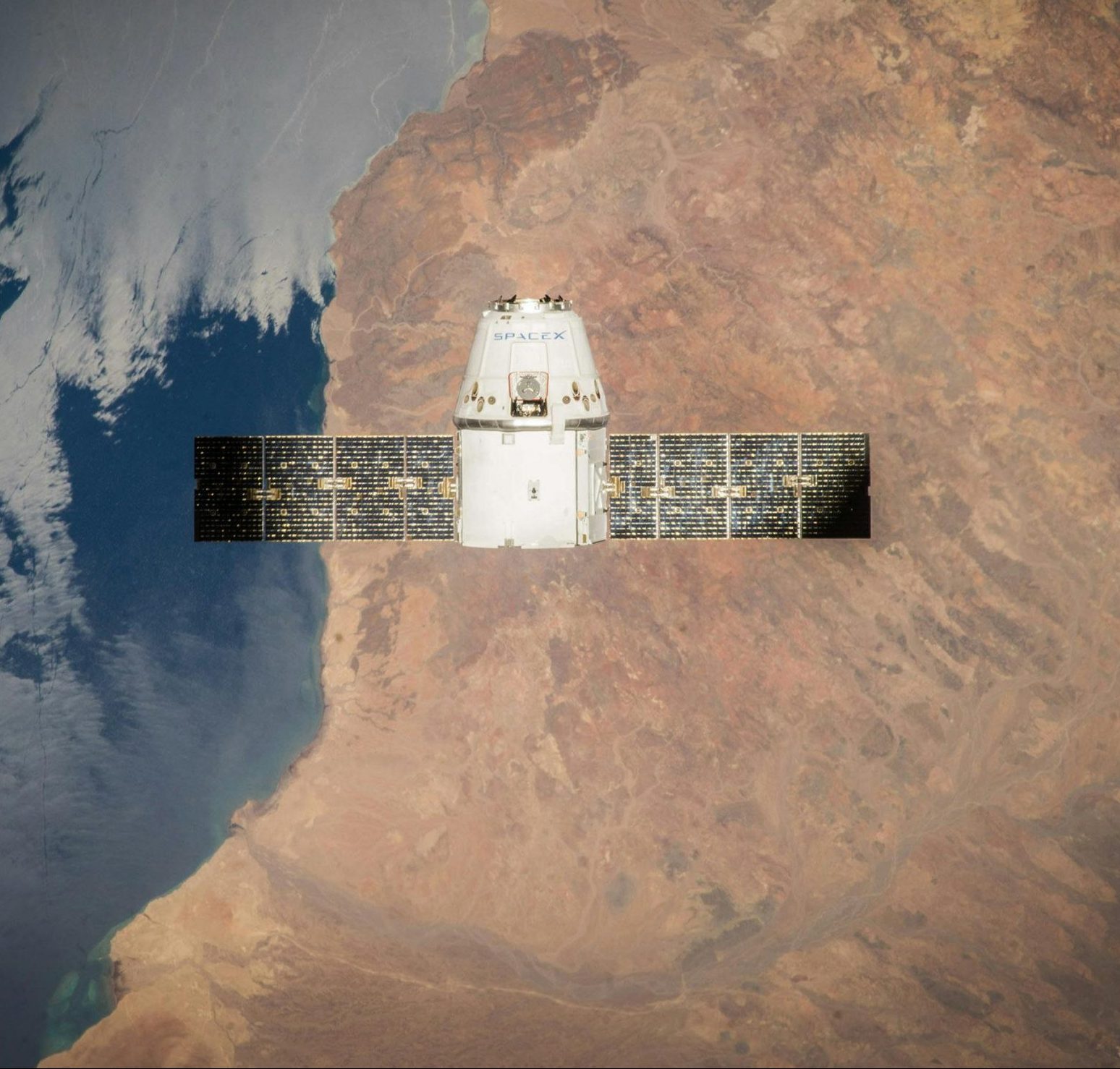
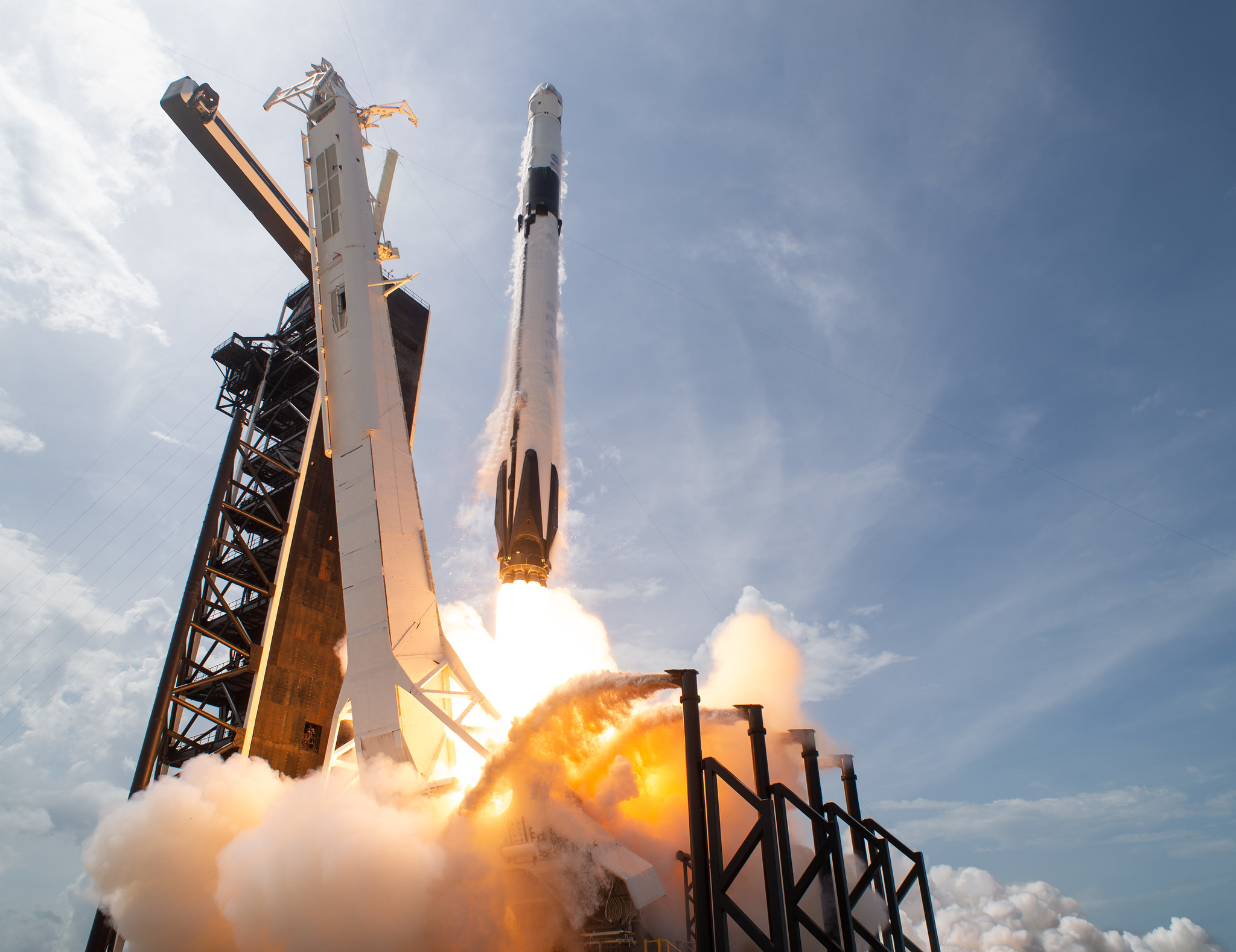
Every twenty-eight hours, a rocket is launched into space. Each of these is a delivery system for objects – mostly satellites – generally 20-60 at a time. Four thousand five hundred ten objects were sent into space last year, a more than 50% increase from the year before. In the last five years, more satellites were launched into space than in the previous sixty years combined. The orbit is getting so thick with satellites (and constellations of satellites) that they are contaminating some Hubble images (and could prove ruinous to wider-field telescopic photography).
There’s a reason for this. Satellites already touch every part of our lives – GPS, weather forecasting, financial transactions, agricultural planning, internet routing – so much so that countries like France, Belgium, and Spain have formally listed the space sector as critical national infrastructure. And their footprint is getting bigger as orbital activity enters new domains, from the deployment of space-based data centers and orbital AI to the expansion of direct-to-cell connectivity to manufacturing pharmaceuticals in microgravity.
All of this is part of a burgeoning space economy that spans three interconnected layers:
Everything on Earth that enables humanity to access space (rockets, launch pads, ground control systems)
Everything in space that provides service to Earth (GPS, broadband internet)
Everything in space that supports our presence there (space manufacturing, in-orbit refueling).
The global space economy was valued at $613 billion in 2024, and is on track to exceed $1.8 trillion by 2035, figures that outstrip the projected growth of semiconductors.
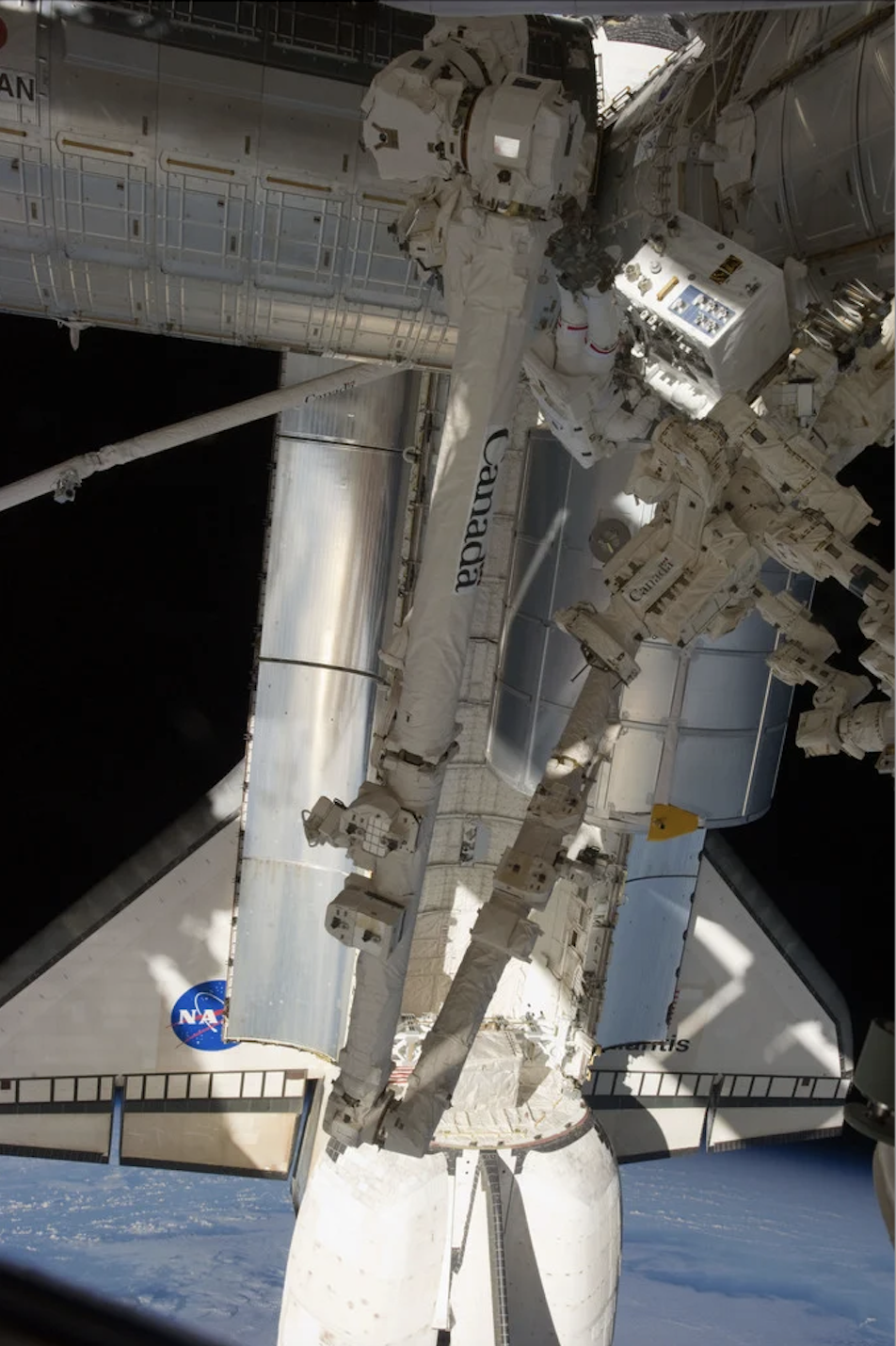
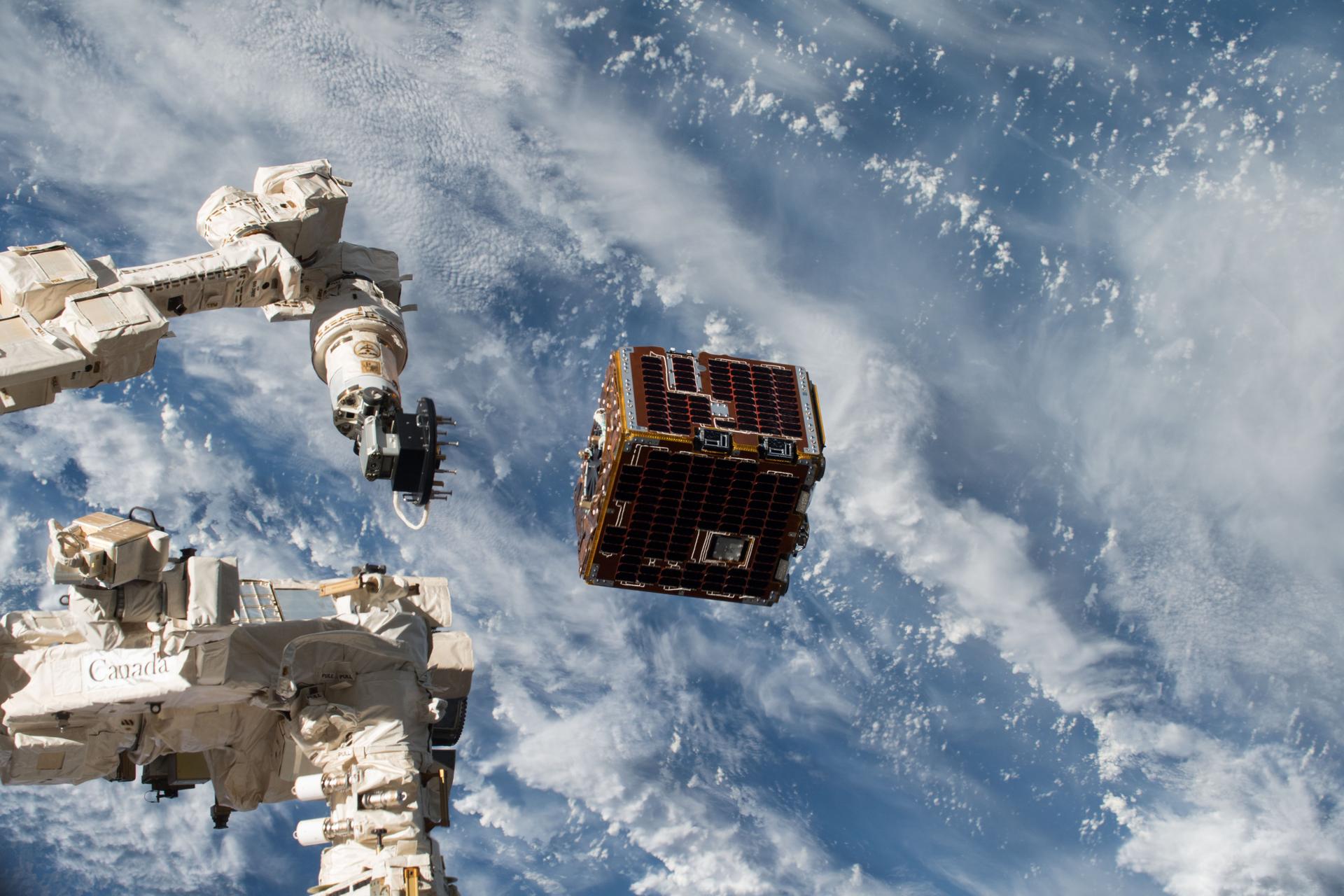
But this economy cannot scale without a corresponding expansion of power. To meet demand, it is estimated that we will need to increase our space power by a factor of 20 within the next five years. (For context, it took 200 years to achieve this terrestrially via the electrical grid infrastructure that powers our cities, industries, and societies.) This problem cannot be solved through satellite upgrades alone. Spacecraft are constrained by the hardware they carry at launch, from solar panels to batteries, and every major systems change requires a redesign. The next era of orbital activity will require a different approach: shared power infrastructure built for space itself.
Star Catcher is leading this charge. Its technology wirelessly transmits concentrated solar energy directly to client satellites’ existing solar arrays, enabling up to 10x more power generation than onboard systems alone – no retrofit required.
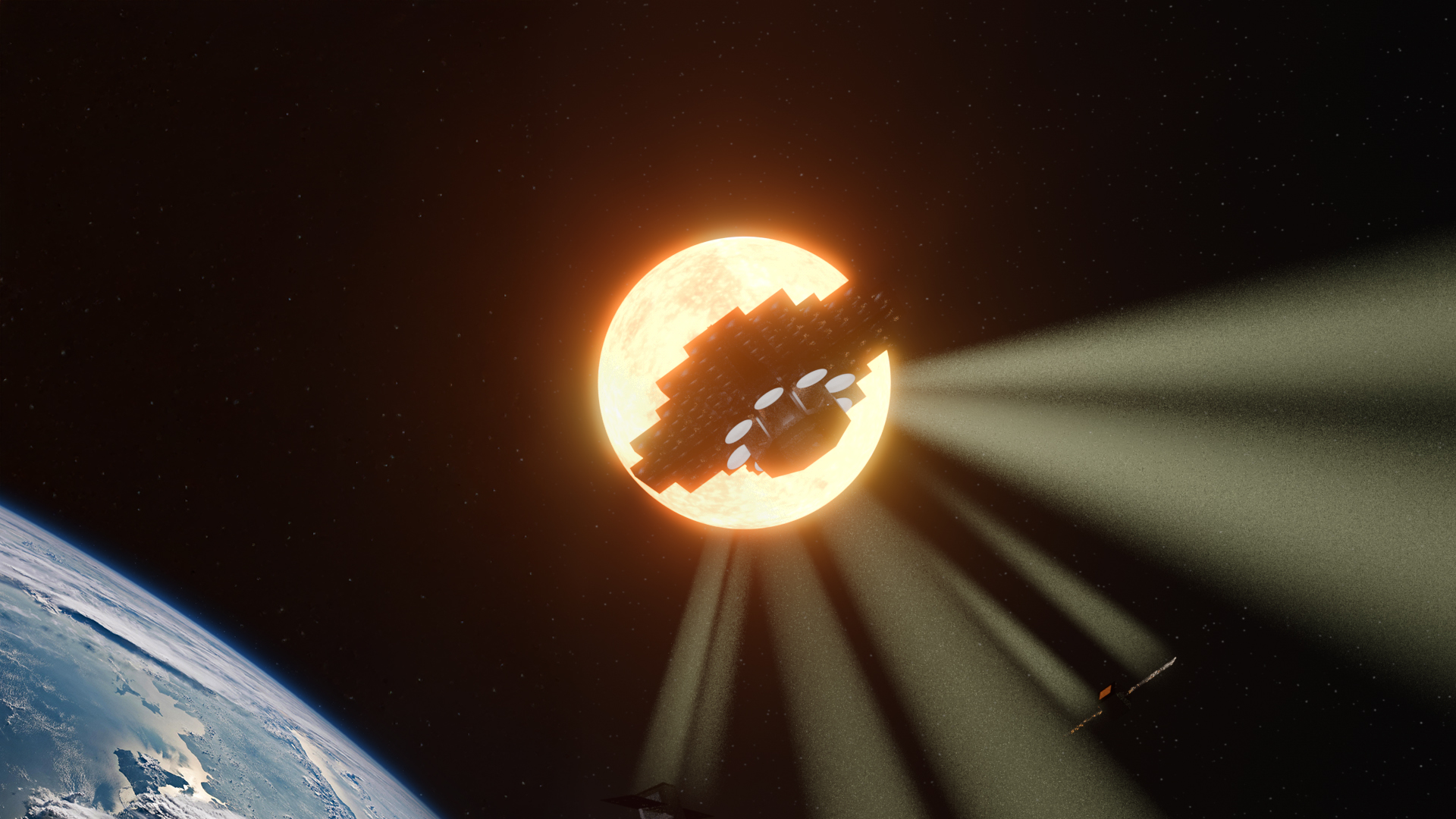
Star Catcher builds “Power Nodes” on satellites that collect sunlight and concentrate it into a precise beam of light. The nodes then refine that solar power into wavelengths tuned for maximum transmission and conversion efficiency on existing satellite solar panels, and its adaptive mirrors beam the light to 40 satellites at once.

A History of the Space Power Constraint
The first satellites were, predictably, battery-powered. When Sputnik 1 was launched in October of 1957, it transmitted its famous “beep…beep” for a total of 22 days before going silent. This era was short-lived. By the time Vanguard 1, the United States’ first satellite, was launched the following March, batteries had made way for solar panels. Vanguard 1’s little one-watt panel transmitted for six years.
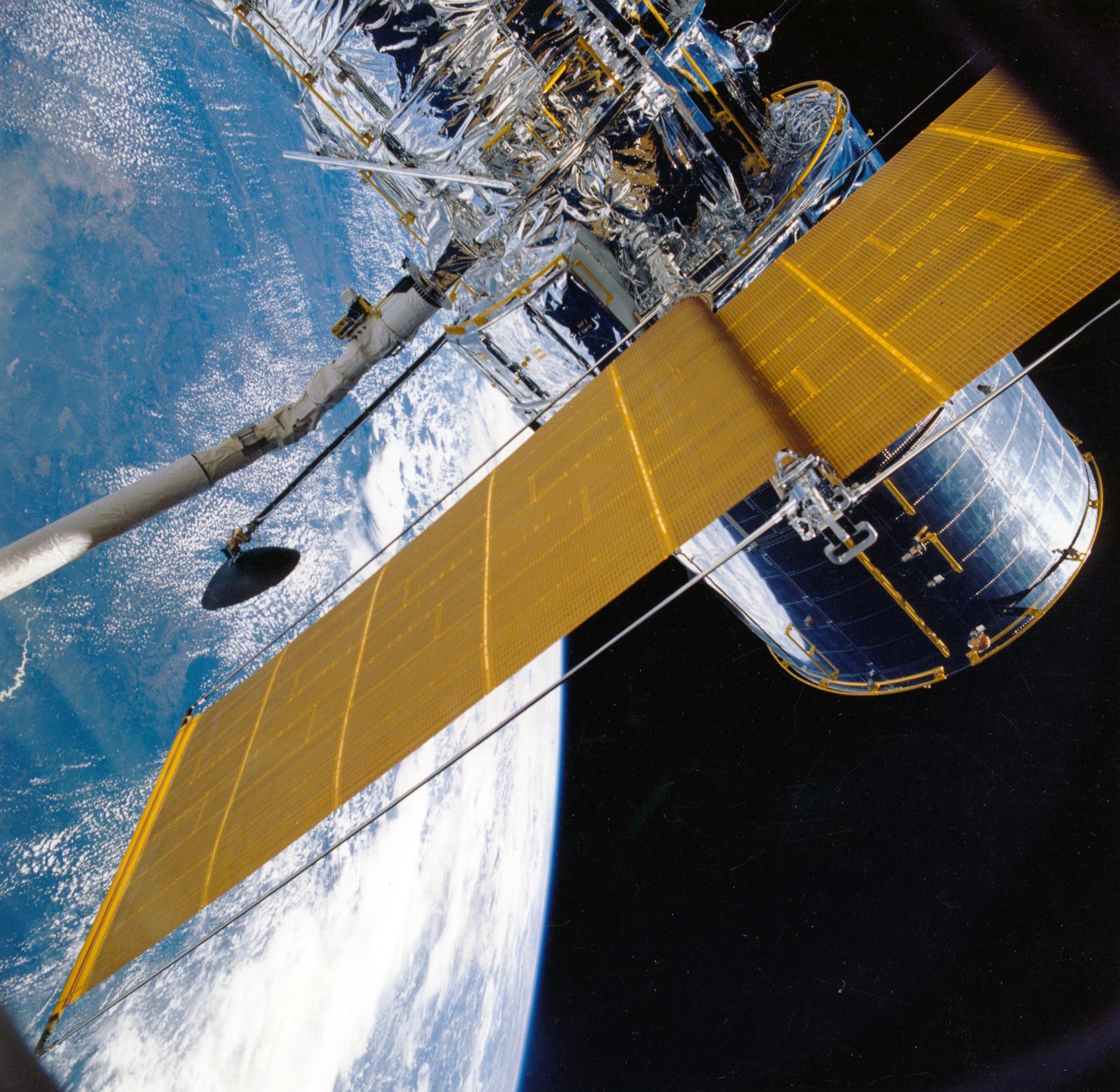
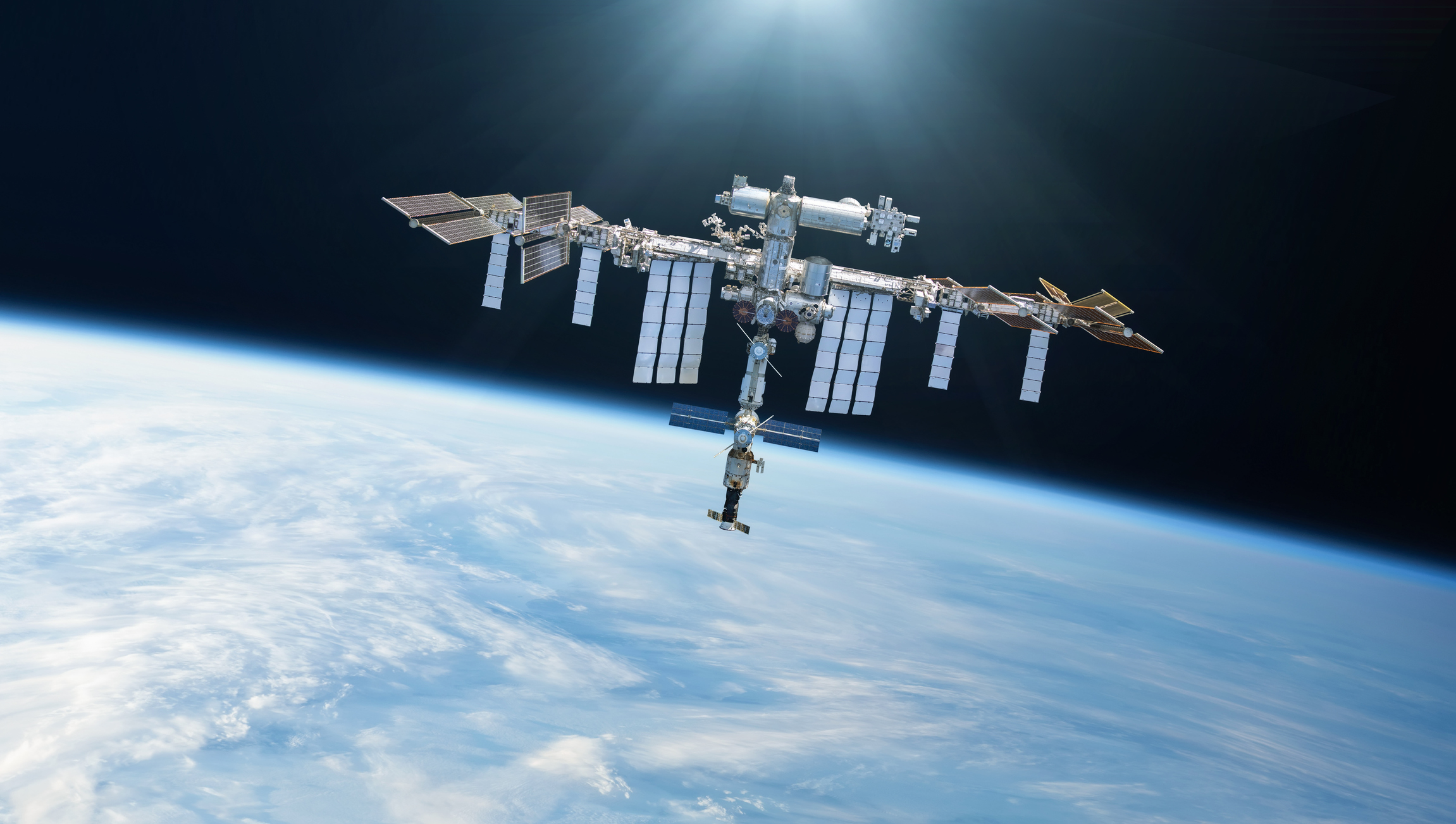
Solar was clearly the way forward, and onboard power accelerated rapidly: the Nimbus, launched in 1964, had a 470-watt photovoltaic array; in 1966, the first Orbiting Astronomical Observatory took off with 1-kilowatts. Thirty years later, the International Space Station has more than a quarter million solar cells covering over 2500 square meters. This, while immensely impressive, illuminates one of the primary limitations of onboard power generation: a spacecraft’s energy capacity is constrained by whatever hardware it was equipped with at launch.
A second limitation is inherent to low earth orbit (LEO): eclipses. Satellites in LEO spend roughly half their time in the dark. This means every satellite requires a battery pack robust enough to get them through those dark periods.
Onboard power is sufficient for legacy spacecraft performing low-impact tasks like weather monitoring. But as orbital applications evolve, their energy demands are skyrocketing. A typical LEO satellite in the 2010s required just 1 to 1.5 kW of power; today, a single direct-to-cell platform demands more than 10 kW. This energy spike is fueled by a massive surge in consumer volume as the number of direct to cell users is projected to balloon exponentially over the next decade.
And the uses only get more energy-intensive. If we want data centers and AI compute? A single Nvidia H100 GPU requires more than a kW by itself. SAR (Synthetic Aperture Radar) enables high resolution imaging of the Earth’s surface no matter the weather or time of day, allowing for continuous environmental monitoring.
All this amounts to the 20x power demand increase we are facing in the next five years – a demand the power constraints of our satellites cannot solve.

Glaser and Solar Power Transmission
In 1968, Peter Glaser, an engineer at Arthur D. Little, published a paper in Science proposing that solar energy could be harvested by satellites and beamed down to power stations on Earth’s surface. He envisioned two satellites in geosynchronous orbit high enough to rarely be in shadow. They would convert the solar energy into microwaves, which could be set via antennas on the ground, where it would be converted into grid-safe electricity.
He called it the Solar Power Satellite, and he received the U.S. patent for it in 1973. The U.S. Department of Energy, along with NASA, Grumman, Boeing, and Arthur D. Little studied the viability of it through the 70s, but the project was ultimately shelved. Beaming gigawatts of microwave energy through the atmosphere toward populated areas raised safety and regulatory concerns. Beyond that, the necessary receiving infrastructure was too immense, and without cheap launch vehicles, reaching geosynchronous orbit was prohibitively expensive.
For decades, the dream of an orbital energy grid remained exactly that: a brilliant, unbuildable idea. That changed when a collapse in launch costs and a surge in orbital demand transformed a fifty-year-old vision into a viable commercial opportunity.
The Team
Star Catcher was founded in 2024 by Andrew Rush, Michael Snyder, and Bryan Lyandvert. Rush and Snyder had worked together in the space industry for nearly a decade. First at Made In Space, where Rush was CEO and Snyder was co-founder and chief engineer, and then at Redwire, where Rush was President & COO and Snyder was CTO. Under Rush, Made In Space was the first company to manufacture an object in space (aboard the ISS, Made In Space’s 3D printer created a faceplate for the printer itself, demonstrating that the machine could manufacture its own replacement components), and Redwire successfully replaced solar arrays on the ISS.
After selling Redwire in 2022, Rush and Snyder came back together to found Star Catcher. “For the first time, technologically and from a business perspective, a space-to-space power grid makes sense,” Rush said. “We have a good handle on the technology … and there is a geographic concentration of customers in low-Earth orbit that all have a common need. They want more power.”
How it Works
Instead of forcing satellites to generate their own power from scattered, ambient sunlight, Star Catcher acts as a localized orbital utility. The network collects, refines, and transmits energy directly to existing satellites via targeted optical beams—delivering a massive power boost with absolutely zero retrofits required.
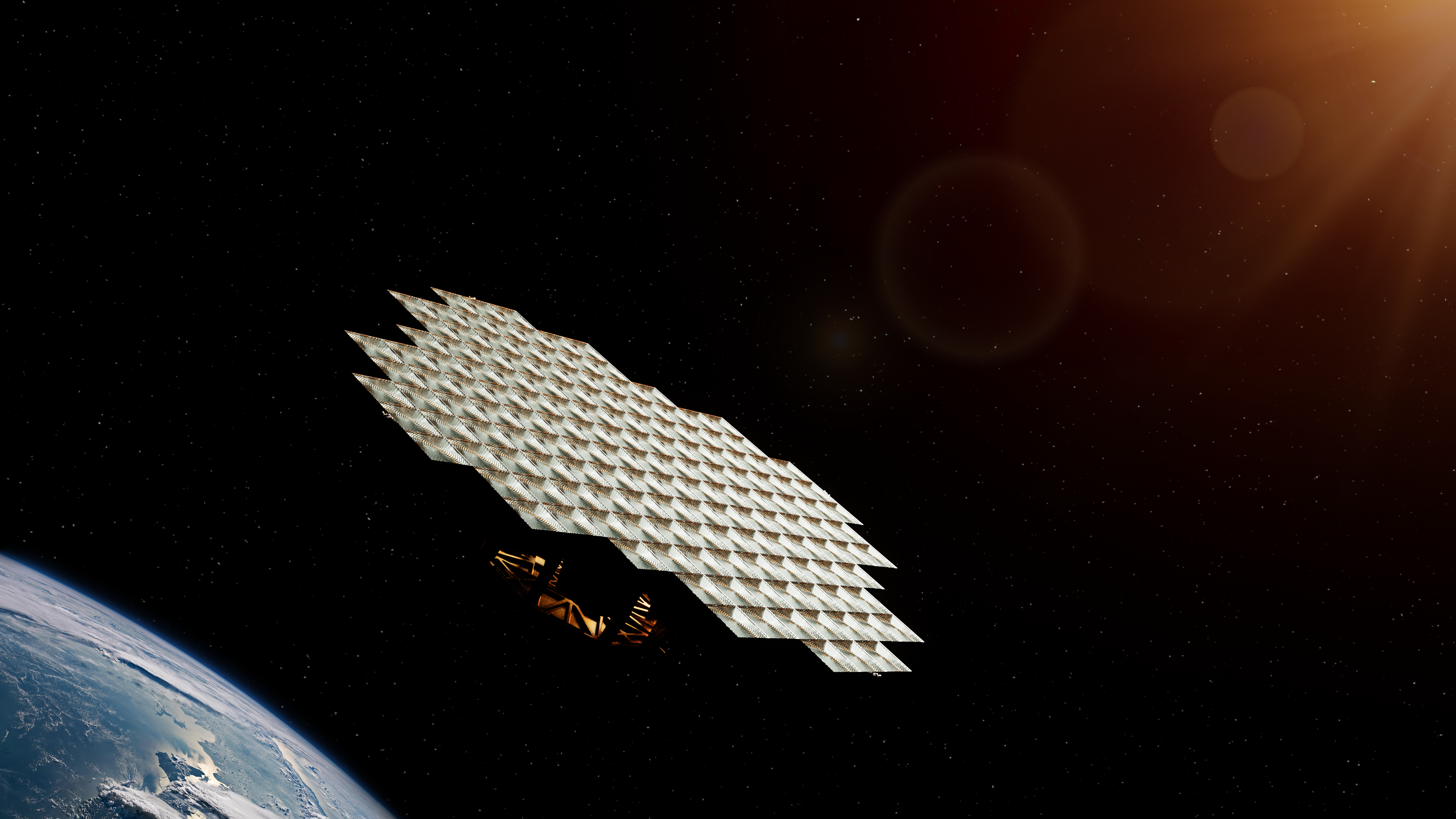
The underlying architecture operates across four distinct operational layers:
Advanced Harvesting (The Power Nodes) The heart of the system is a fleet of Power Nodes orbiting at roughly 1,500 km. Rather than carrying heavy, fragile glass mirrors, each node deploys a Fresnel lens array, spanning 15 to 20 meters on each side, constructed from featherweight optical film. This array concentrates incoming sunlight at intensities far exceeding natural solar flux, converting it into usable electric power.
Tailored Transmission (The Multi-Wavelength Laser) That concentrated electricity is fed into specialized laser cavities. To ensure seamless compatibility with existing satellites, Star Catcher doesn’t just shoot a generic beam. The laser cavities transmit at three distinct wavelengths simultaneously. This activates all three layers of the standard triple-junction solar cells used by most satellites in orbit today. Using deformable-mirror transmission optics and a proprietary tracking system, the Power Node locks onto client spacecraft with high precision, keeping the beam on target and minimizing wasted energy.
Outsmarting the Shadow (The Relay Layer) To solve the low Earth orbit eclipse problem, Star Catcher utilizes a high-altitude sentinel layer. Relay satellites sit stationed at 10,000 km, an altitude high enough that they are never eclipsed by Earth’s shadow. When a lower Power Node plunges into darkness, these high-altitude relays feed energy back to it, keeping the entire grid continuously active.
Mass Deployment (The Power Band)The network is built for rapid, cost-effective scale. Star Catcher packages eight Power Nodes and two relay satellites into a single deployment payload called a Power Band. A single Falcon 9 rocket can launch an entire Power Band into orbit at once, with each band delivering more than one megawatt of power capacity.
By shifting power from a launch-day bottleneck to an on-demand utility, Star Catcher fundamentally rewrites the economics of space operations. A single Power Node can dynamically scale energy delivery from 100 W to over 10 kW for up to 40 client satellites simultaneously, maximizing operational uptime across entire constellations. This continuous energy stream does more than just supercharge healthy payloads; it breathes new life into legacy infrastructure by supplementing solar arrays that historically degrade long before a satellite’s core electronics wear out. Most profoundly, this network grants future spacecraft radical design freedom. Decoupled from the burden of carrying cumbersome battery packs or fragile, oversized solar wings, aerospace engineers can finally build sleeker, lighter, and infinitely more capable hardware—knowing the energy layer required to power them is already waiting in orbit.
Through a series of demonstrations in 2025, Star Catcher validated each piece of its transmission sequence. In March, it successfully conducted its first end-to-end ground demonstration, beaming 100 watts of solar energy over 100m to commercial satellite solar panels. In October, at NASA’s Kennedy Space Center, it upped that to 1.1 kW, setting the record (which was previously 800 W, held by DARPA, the U.S. Defense Advanced Research Projects Agency). Finally, near the end of the year, Star Catcher completed Sextant Alpha, which validated the tracking and pointing capabilities of the system.
The Commercial Roadmap
Helena is supporting the transition from successful technical validation to a fully scaled orbital grid with an investment in Star Catcher’s oversubscribed $65 million Series A. The round was co-led by B Capital and Shield Capital, with participation from Cerberus Ventures, where retired General Jay Raymond, the first Chief of Space Operations of the United States Space Force, joined the company’s board.
The deployment roadmap is aggressive but deliberate. Later this year, Star Catcher will launch Protostar, its first in-space power beaming demonstration. DemoSat-2, planned for 2027 to 2028, will be the first operational pilot — transmitting one to two kilowatts of power to paying customers across up to 500 kilometers of orbital distance. The first full commercial Power Node follows in 2029, capable of serving 40 client satellites simultaneously. At full constellation scale, approximately 200 Power Nodes delivering around 20 megawatts of capacity will provide global coverage of low Earth orbit.
Helena’s purpose is to identify solutions to global problems and implement them through projects. Each project is a separate, unique effort.
Sometimes, we believe that the most effective method to implement a project is through for-profit action, including investment and/or the founding and operation of businesses.
These projects are designated as “profit” on their associated project pages on this website. This page is an example of such a project.
To implement efforts through for-profit means, entities(s) including Helena Special Investments, LLC, a privately-owned limited liability company that operates in business activities that have the potential to transformatively address societal problems while targeting attractive returns to investors, are utilized.
Helena’s purpose is to identify solutions to global problems and implement them through projects. Each project is a separate, unique effort.
Sometimes, we believe that the most effective method to implement a project is through non-profit action. These projects are designated as “non-profit” on their associated project pages on this website. This page is an example of such a project.
In these cases, Helena operates projects that are led and funded through non-profit entitie(s), including Helena Group Foundation. Helena Group Foundation is a nonprofit, 501(c)(3) organization formed to conceive and operate projects that solve important global issues for the benefit of society.