Regenerative Governance: Repair, Trust, and the Social Infrastructure of Peace
Editor’s Note: This essay emerged from conversations at Helena’s 2025 Summit in Valle de Bravo, Mexico — a gathering of leaders from technology, policy, science, and the arts convened to collaborate on a subset of pressing societal challenges. It is not a summary of the Summit or a consensus statement; it reflects the author’s own exploration of ideas shaped by those discussions.
Across much of the world today, public institutions appear increasingly fragile. Elections are contested, political authority is questioned, and public discourse is shaped more by distrust than by shared purpose. In many places the instinctive response to this erosion has been institutional repair, redesign the rules, strengthen the systems, update governance frameworks.
Yet the deeper problem often lies elsewhere. Institutions do not generate legitimacy on their own. They inherit it from the social worlds beneath them, from the networks of trust, responsibility, and recognition that allow authority to be accepted in the first place. When those social foundations erode, institutional reform alone cannot restore stability. Governance becomes procedural rather than relational, and compliance begins to replace consent.
This distinction becomes clearer in places where institutions have already fractured. In contexts of prolonged conflict, communities are often forced to rebuild forms of authority and accountability long before formal governance structures return. The mechanisms that emerge are rarely codified in law or policy, yet they function as practical systems of order. They rely on relationships rather than bureaucracy, and on shared expectations rather than enforcement.
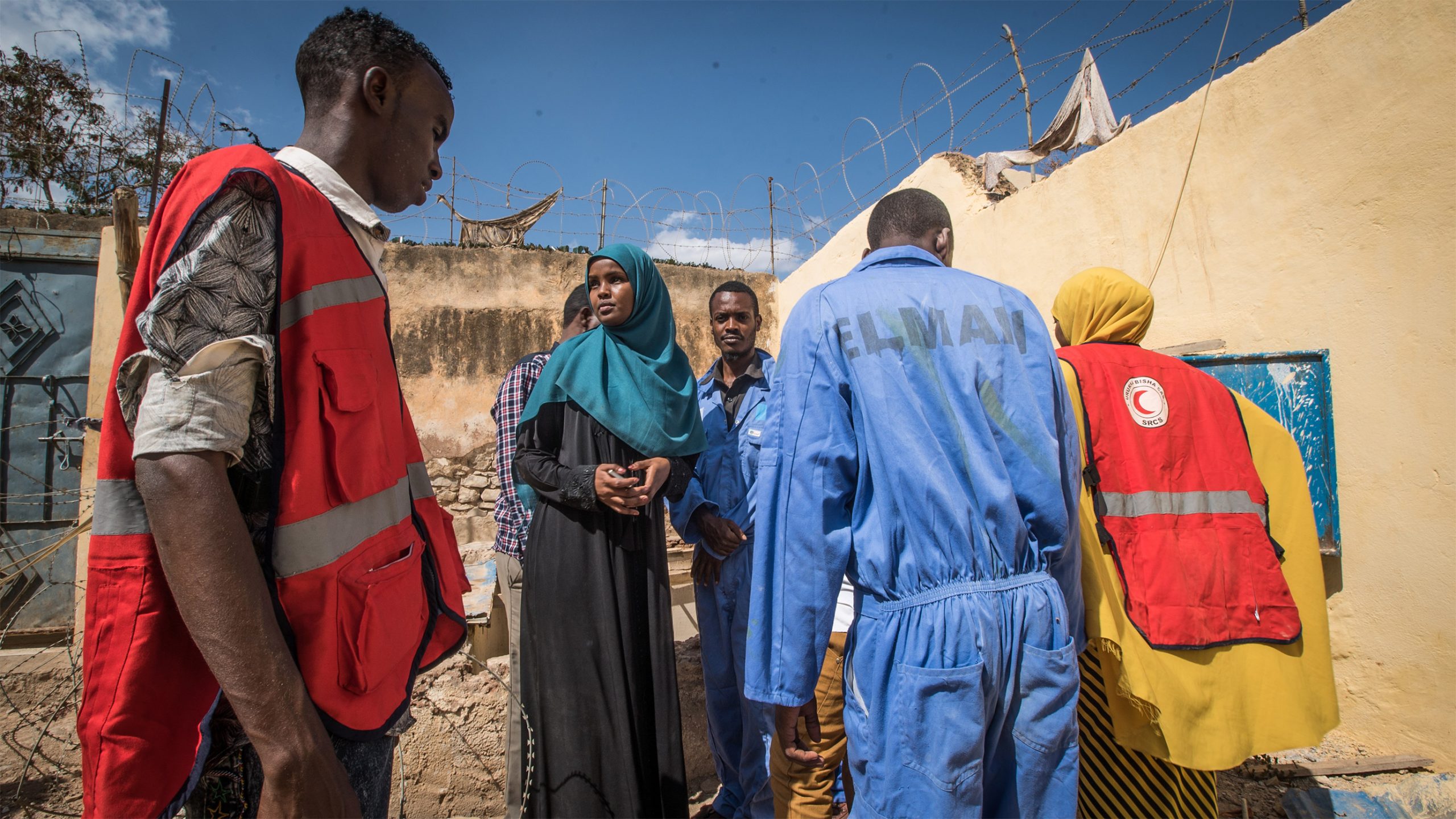
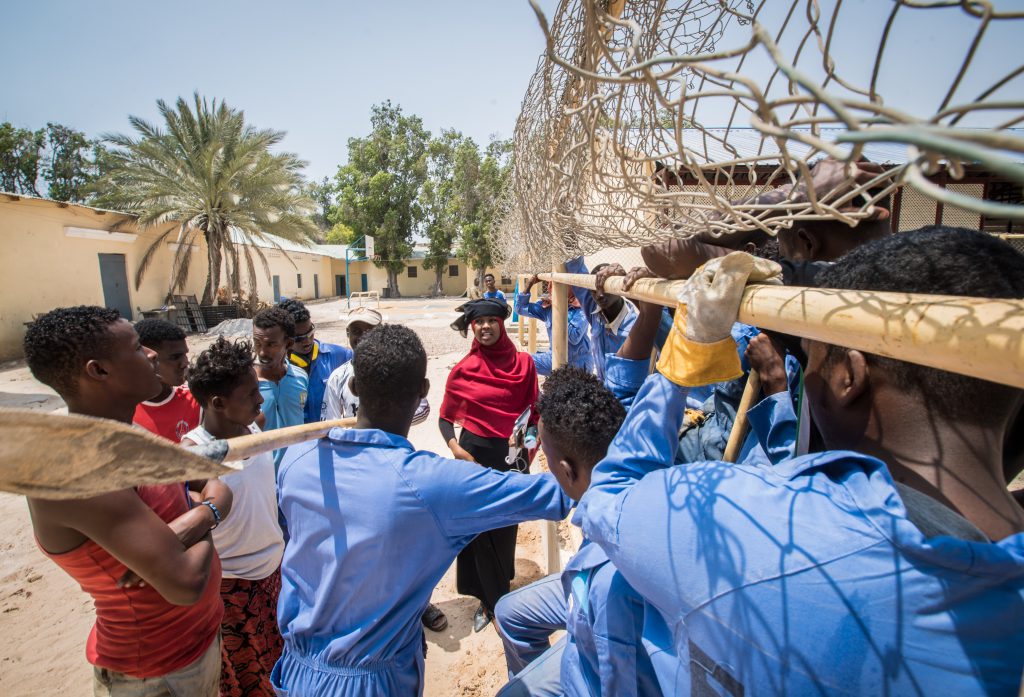
Consider this one example from my own work at the Elman Peace and Human Rights Centre facilitating community-based reintegration of former combatants in Somalia. When young men leave armed groups and seek to return home, the process does not begin with a court or an administrative decision. Instead, it begins with negotiation within the community itself.
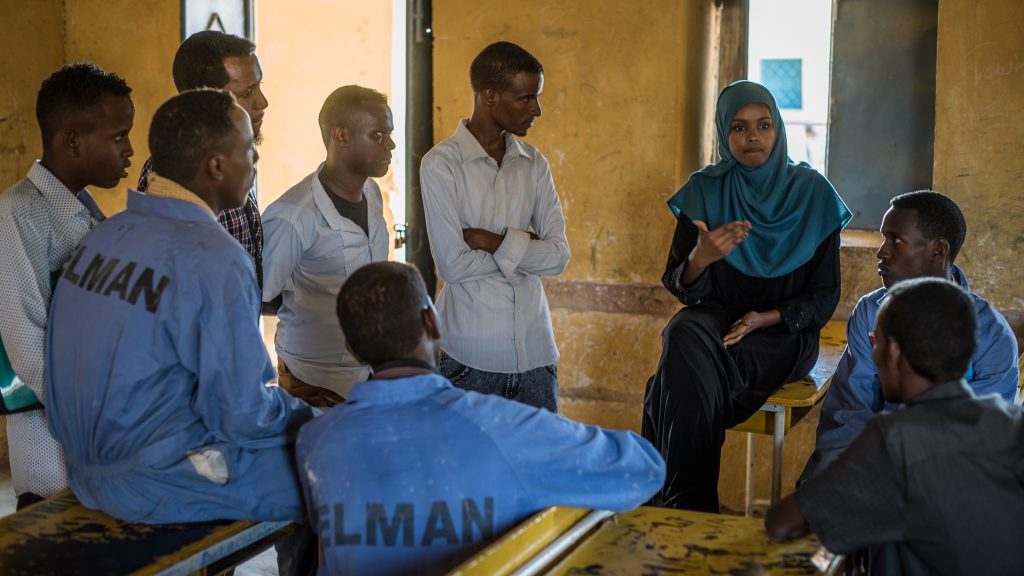
Elders, families, and local leaders gather to determine whether the individual can return, under what conditions, and who will assume responsibility for ensuring that reintegration holds.
The agreement that follows is rarely written. Its authority comes from recognition rather than regulation. Those who endorse the return place their own standing behind it. If the agreement is broken, the consequences extend beyond the individual to those who vouched for him. Responsibility is distributed, visible, and socially enforced. From the outside such arrangements may appear informal. Yet they perform functions that formal institutions often struggle to achieve. They restore accountability, repair fractured relationships, and re-establish a shared understanding of belonging.
What matters is not the specific form these systems take. Similar dynamics exist in different ways across societies, through civic associations, local leadership, religious communities, and informal systems of mutual obligation. What differs is the extent to which they remain active and visible.
In societies where institutional structures have long provided stability, these relational foundations can become less visible over time. Governance appears to function through procedures and regulations alone. The social infrastructure that once sustained legitimacy becomes background rather than practice. But when institutions falter, the absence of that infrastructure becomes immediately apparent.
The challenges confronting many societies today, political polarization, fragmented public discourse, the destabilizing effects of technological change, and the strain of climate and economic transitions, are often described as institutional crises. In reality they are equally crises of social cohesion. Authority is questioned not only because systems fail, but because the relationships that once made those systems credible have weakened. This is where the experience of societies navigating fragility may hold unexpected insight. Where institutions have already broken down, communities are compelled to practice forms of relational governance that other societies often take for granted.
Legitimacy must be rebuilt through recognition and participation. Responsibility must be shared. Authority must be earned and continuously reinforced.
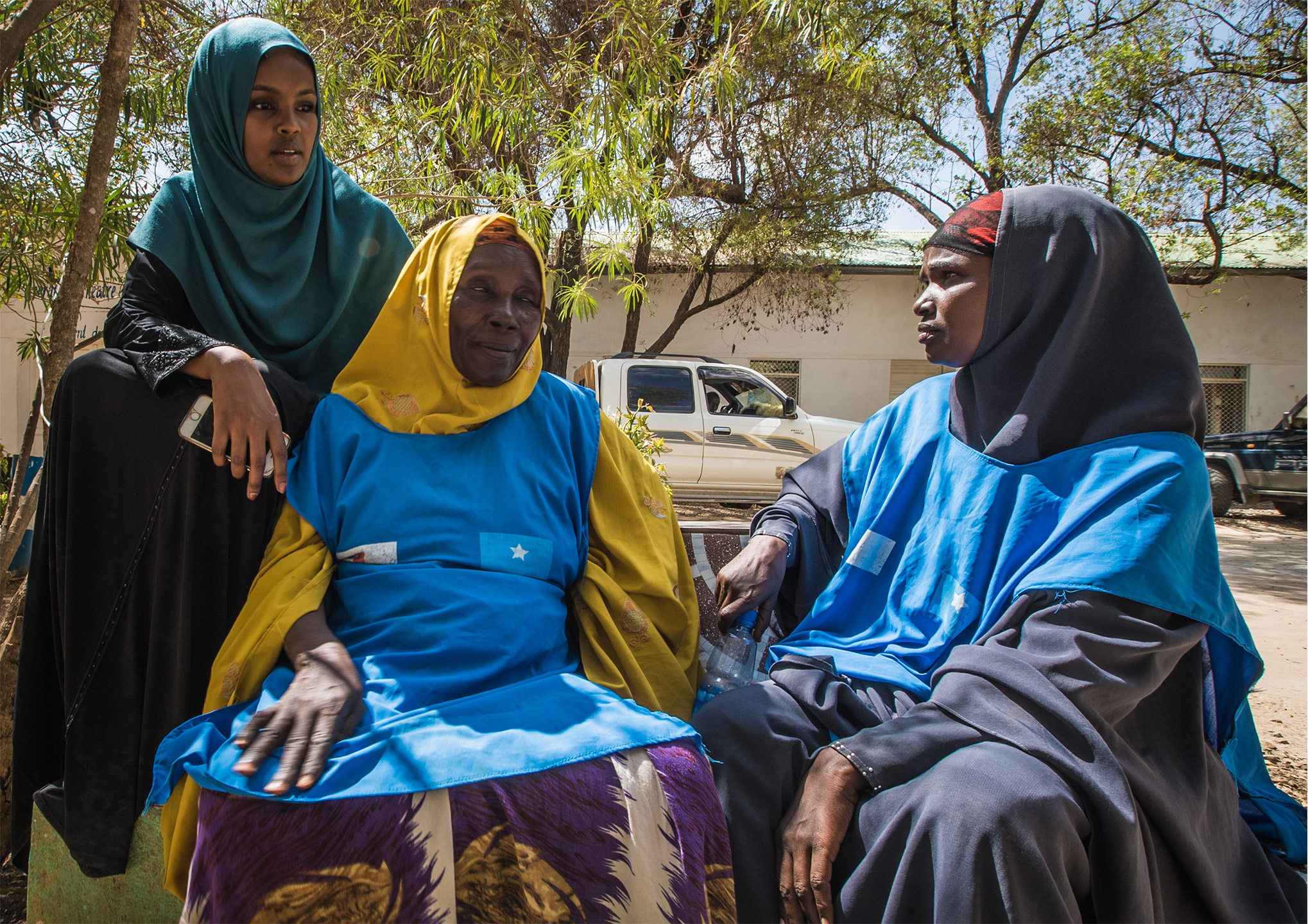
These practices are neither easily transferable nor something to romanticize because they emerged from necessity rather than design. Yet they do reveal something essential; governance ultimately depends less on institutional architecture than on the social relationships that sustain it. Ironically, many of the principles now widely discussed in policy and academic literature, trust-building, collective responsibility, civic participation, and social infrastructure, have long been central to how communities survive and rebuild under conditions of uncertainty. The language may be new, but the underlying practices are not. What remains striking, however, is how rarely these lessons travel in the opposite direction.
Rebuilding in these contexts does not begin with institutional overhaul, but with the slow reactivation of the social conditions that make authority credible. It can look deceptively simple at first; restoring spaces where disagreement can be held and mediated before it hardens. Re-establishing forms of shared responsibility so that risk is not experienced as individually borne but collectively carried and relying on figures who are socially legible and accountable in ways that formal systems often are not. In different forms, many of these dynamics already exist within societies where institutions remain intact, though often weakened, informal, or overlooked. It means creating pathways for participation that move beyond consultation toward co-ownership, where decisions about sacrifice, security, and belonging are not only administered but recognized. These are not abstract ideals, they are practices that shape whether people accept authority, exercise restraint, and remain invested in collective outcomes. None of this replaces institutions, but it determines whether institutions can still be trusted to function. In societies where legitimacy is thinning but not yet broken, these practices are often the earliest signals of repair, and the difference between systems that quietly hollow out and those capable of renewal.

For decades governance knowledge has largely flowed from stable institutions outward, from established systems toward societies considered fragile or transitional. Yet the current moment suggests that the exchange of insight must become more reciprocal. The question is not whether strong institutions remain essential, they clearly do. The question is whether societies that still possess them are investing enough in the social foundations that allow those institutions to endure. Resilient governance does not emerge from systems alone. It emerges from cultures of responsibility, participation, and mutual accountability that make authority legitimate and cooperation possible. When those relational foundations weaken, even the most sophisticated institutions struggle to function.
The most important task ahead may therefore be less about inventing new governance models than about rediscovering the social infrastructures that have always made governance possible. In places rebuilding from crisis those infrastructures are practiced daily because survival depends on them. In more stable societies they are often assumed rather than maintained.
The difference may prove decisive. If institutions ultimately inherit their legitimacy from the communities that sustain them, then rebuilding trust cannot begin with institutions alone. It must begin with the relationships, responsibilities, and shared commitments that give those institutions meaning. And in a world where many systems now appear increasingly fragile, the societies most practiced in rebuilding under pressure may have lessons the rest of us can learn from.
About the Author
Ilwad Elman is a peace and development practitioner and Chief Operating Officer of the Elman Peace and Human Rights Centre in Somalia, where she has led pioneering work in disarmament, reintegration, and peacebuilding. She works at the intersection of conflict resolution, human rights, and security sector reform, with a focus on ensuring women and youth have a seat at the table. Ilwad co-founded the Peace by Africa Network, connecting grassroots peacebuilders across nine African countries, and serves as an advisor or board member to the Every Woman Treaty to End Violence Against Women, the Global Commission on Modern Slavery and Trafficking, and UNESCO’s Expert Group on Culture for Peace. She is a member of Helena, the World Economic Forum Young Global Leaders, and the Rockefeller Foundation’s Bellagio Alumni, and sits on the WEF’s Global Future Council on Nature and Security. Her work has been recognized with the Gleitsman International Activist Award from Harvard University, the Hessian Peace Prize, the Right Livelihood Award, and the Aurora Humanitarian Prize.