Upheaval: Turning Points for Nations in Crisis
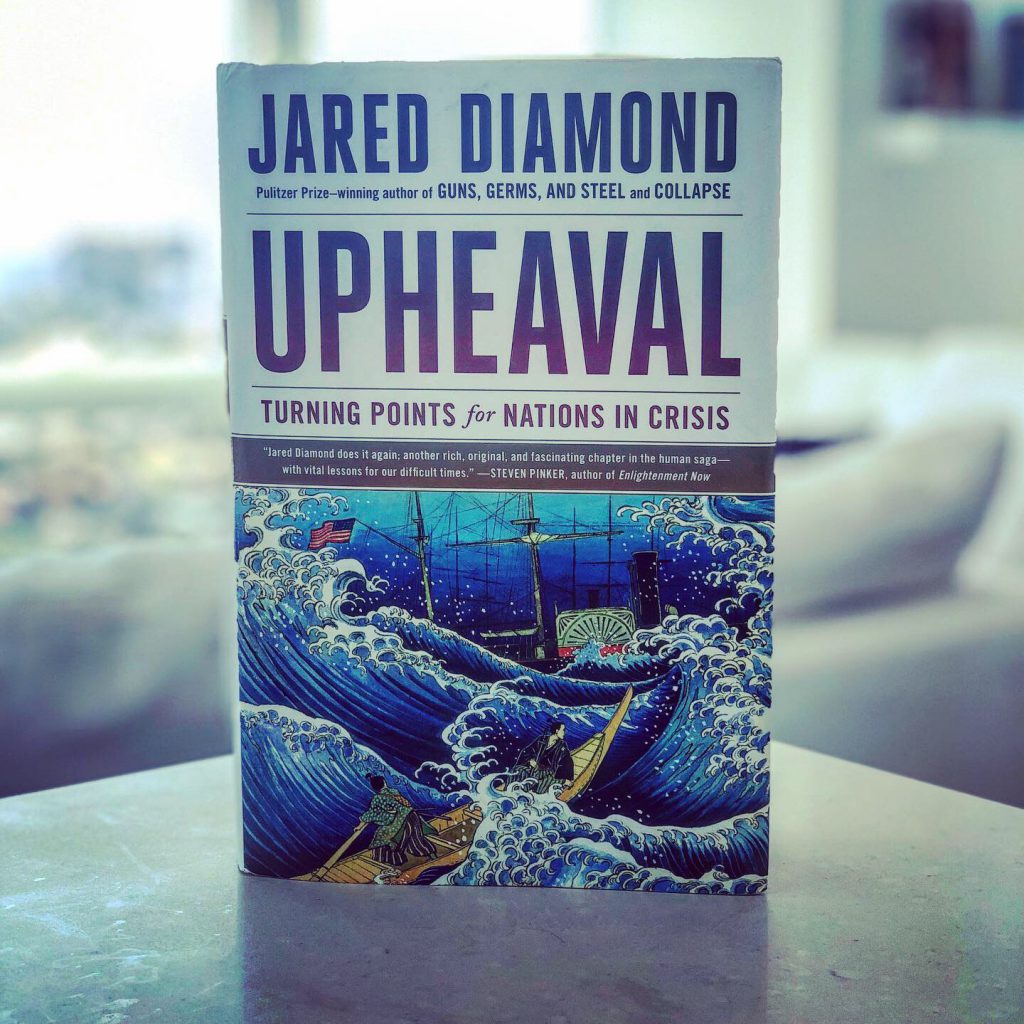

- Form: Hardcover
- Purchase Link
- Page Count: 502
A lot to say here. Overall, this was a very useful book to read, and far and away worth it. Jared Diamond, unsurprisingly, exhibits a modern-day polymathy that is rare amongst authors. The book utilizes historical reference, parallel and associative reasoning, fascinating personal anecdote and analysis of current global issues (especially that of climate change and nuclear threats), that, taken individually, are brilliant and helpful.
It might be the case, though, that Diamond’s stature and genius led this book into an “embarrassment of riches” problem. He acknowledges this at the end of the book, but Upheaval’s premise — that applying the framework physiologists use for helping those overcome personal crises to that of past and current nations and states in collective crises is a dichotomy that better helps us understand how to overcome future global problems — yields mixed utility. Partially leading to this (and again, Diamond to his credit also sees this flaw) is an overabundance of anecdotal evidence for the book’s argumentation.
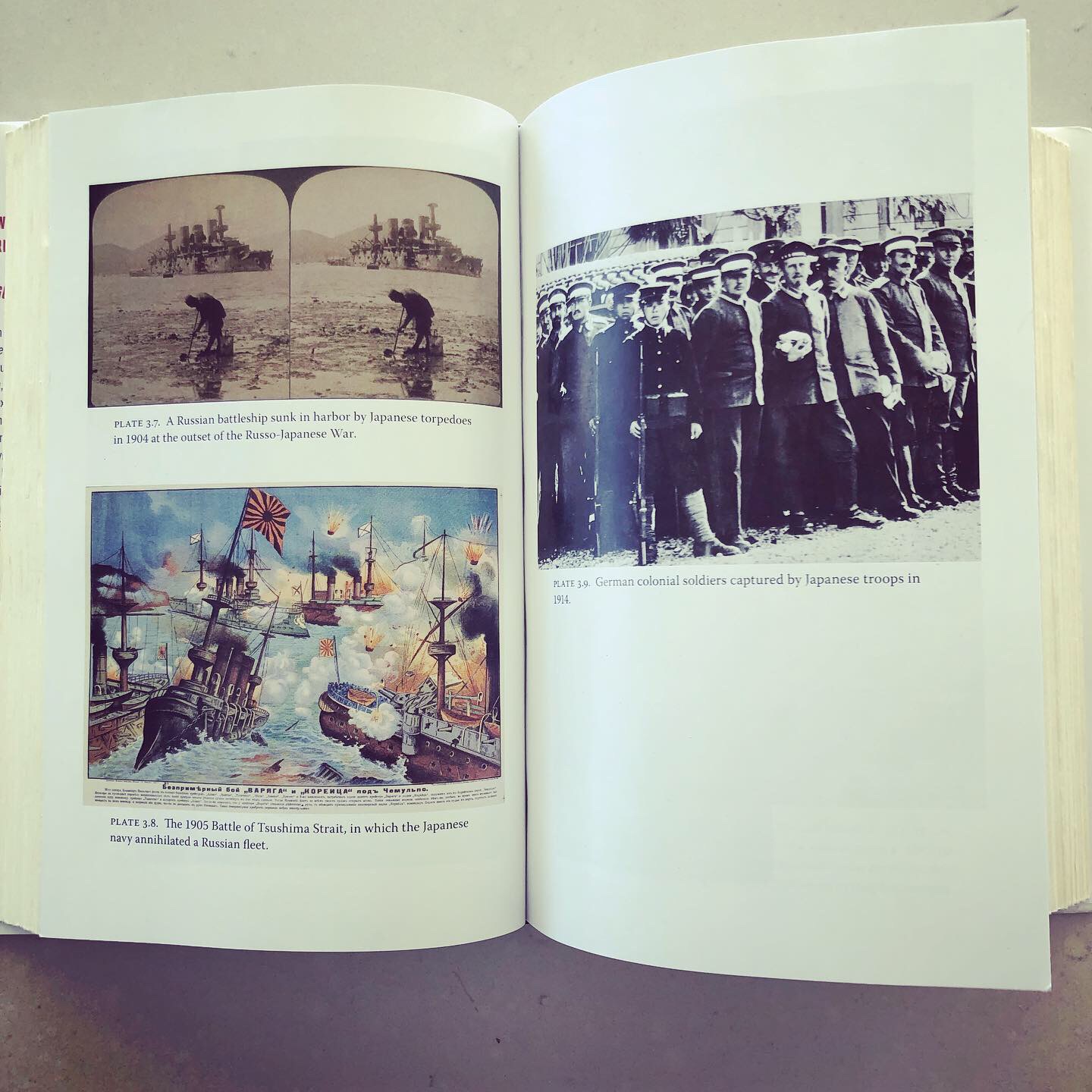
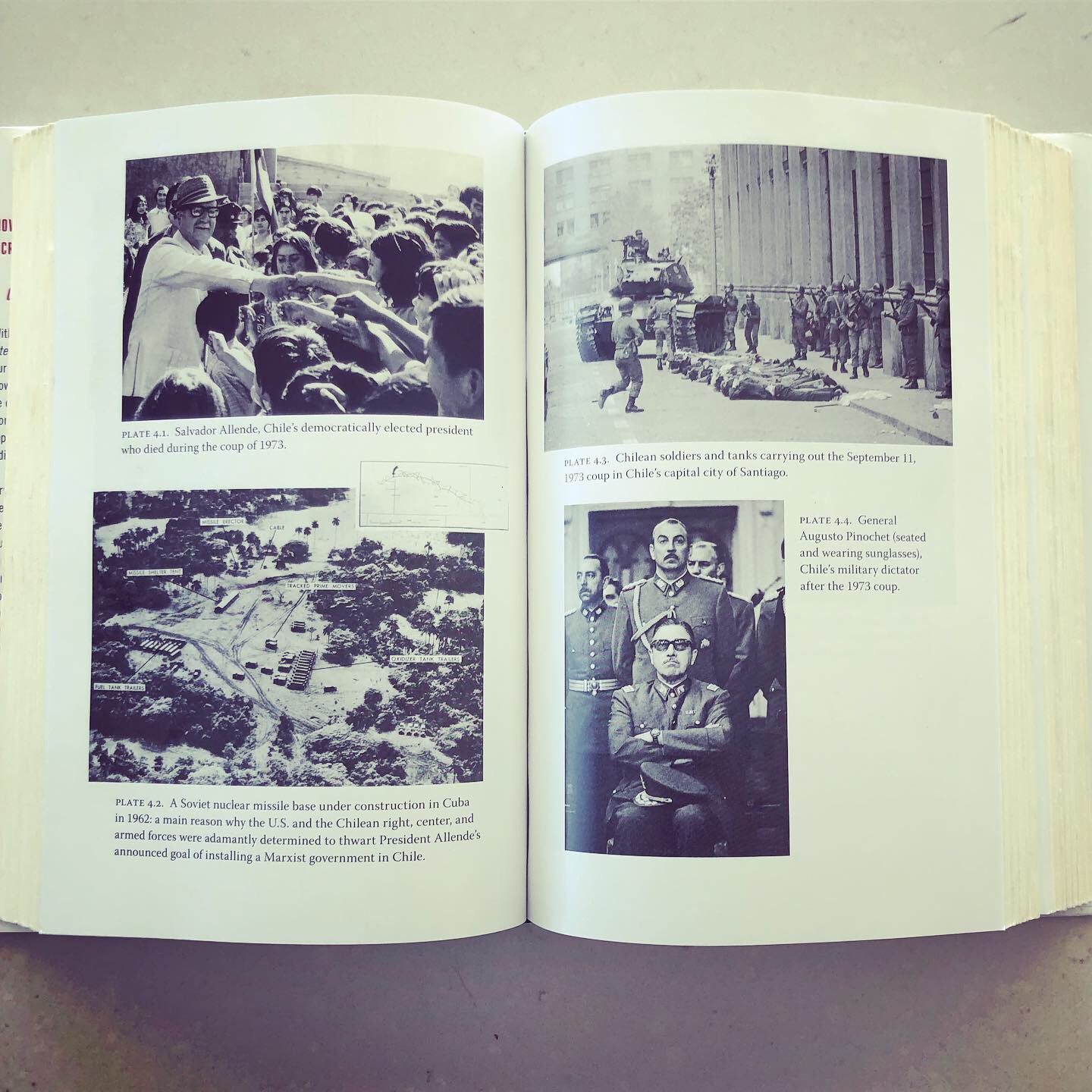
None of Diamond’s main examples, ranging from 19th century Meiji Japan to WW2 Finland and modern-day United States, have critical issues when viewed independently. In fact, they are quite enjoyable and educational to read through and yield a lot of insight. But it does feel a bit forced when Diamond stitches them together into his framework of crisis management, which both elongates the book in order to accommodate for his justification of each tenant, but also requires such a summarization of key concepts that it feels like non-minor corners are cut.
The book really shines towards the end, where Diamond diagnoses some of the critical issues facing the United States and the world today, which is rare, considering that most ambitious and credentialed authors fail in this area. It, in my view, isn’t a surprise that this is also the part of the book most deviant from its overarching physiological framework, least based on anecdote, and most based upon hard science and economics (Diamond’s biggest strength).