Tribe
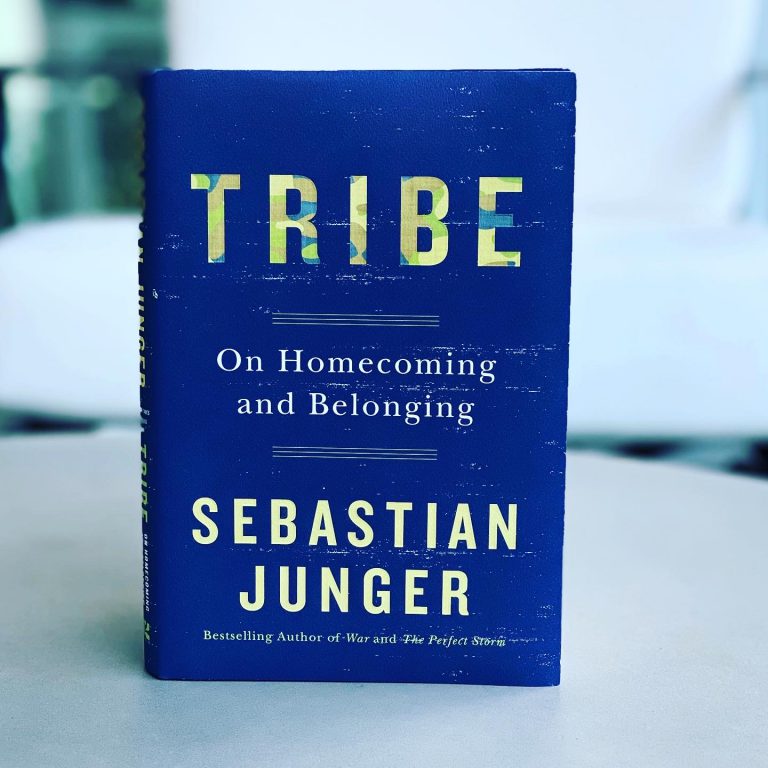
Chronicling the journey through Helena’s book recs.
Summary
- Form: Hardcover
- Page Count: 168
- Purchase Link
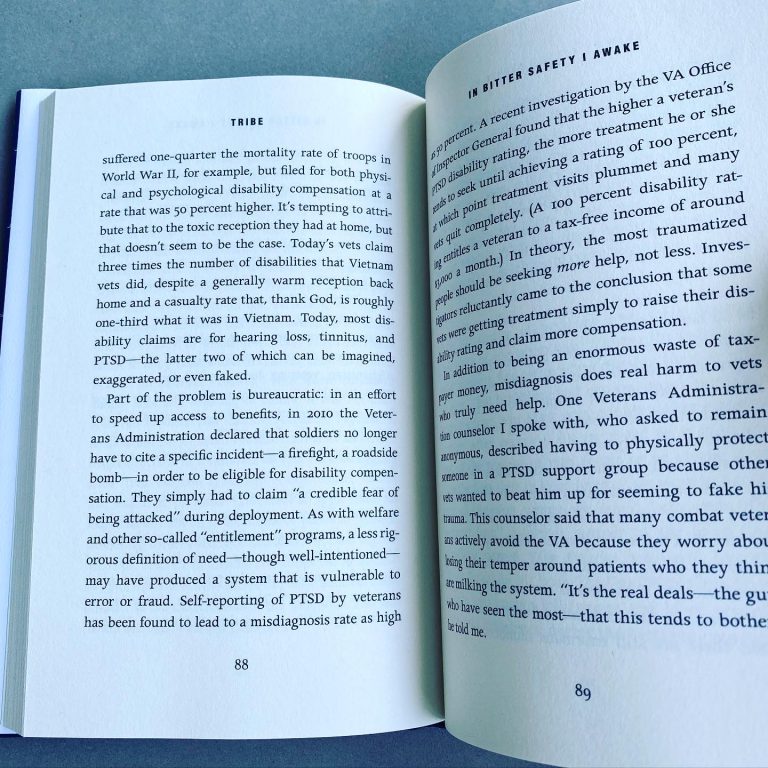
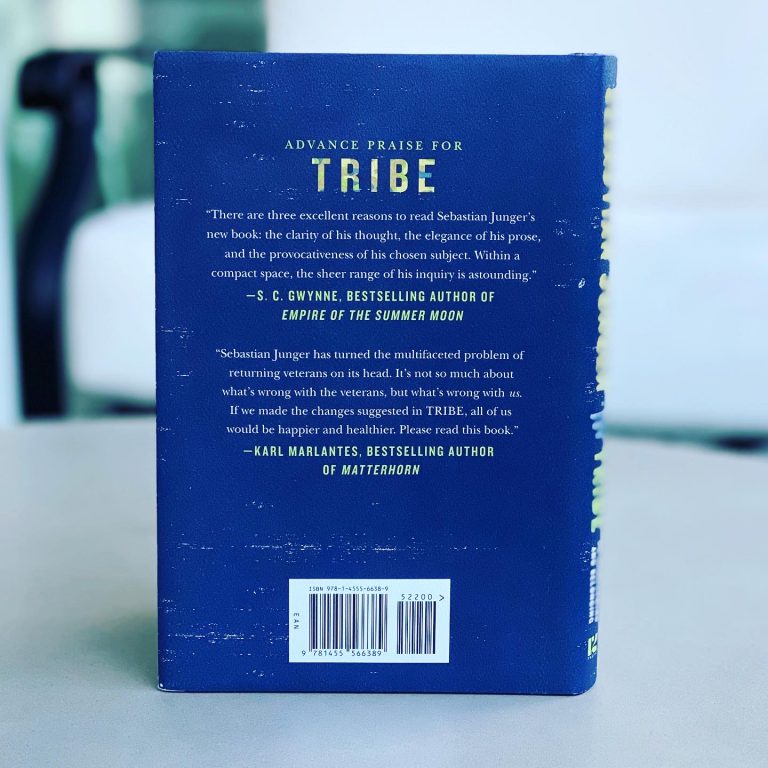
An argument from a vantage point that I am starting to read more and more of: the concept that human society is intrinsically tribal, but not in the way in which you might assume given the weaponization/politicization of that word of late. Junger is a journalist and film director who becomes quite immersed in his subject, focused (at least from this book) on warfare. He spent a considerable time in Bosnia during the conflict and writes strikingly and credibly about the experience.
The book looks with nuance at the dynamics between modern “civilization” and pre-modern tribal living, showing the very real tradeoffs between both models. He begins with indigenous Americans and the fact that so many European settlers, irrespective of age and gender, chose to permanently leave their homes to live in their societal model, and even happily return even if they were captured as prisoners of war.
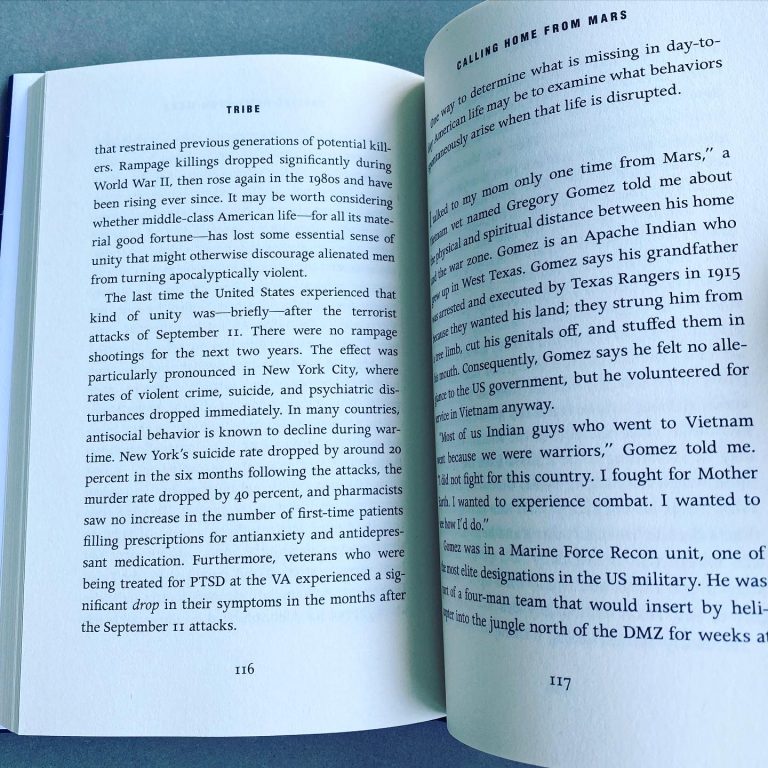
It takes a deep dive on the daily lives of those enduring war and significant natural disaster, showing how often the best and most equal behavior amongst humans thrives during these times, to the point where at the end of such trials, people often miss them and yearn for the return of many of their dynamics.
Junger is really hitting at a deep and valuable analysis/criticism of the heart of the modern societal model that Yuval Harari in Sapiens and Rutger Bregman in Humankind were also able to make credibly. The jump from small group hunting and gathering societies to the technological and agricultural age did bring immersible benefits to the human race, but it did do so with a tradeoff and at a cost. We often either forget that cost, or we refuse to air it out of taboo or even fear. There is a way to combine the best parts of each way of life, and doing so is part of the key to perpetuating the human race successfully and equitably. But doing so will require significant changes to the way we coordinate with one another. The current model is unsustainable — we see this in that fact that it requires chaos, violence and tragedy for the best of human behavior to surface.
I think that “changing” this without violence, disaster or other external negative stimuli will be one of the most challenging, if not the most challenging, human projects of the next few decades and centuries. It requires underlying culture itself to evolve. Because this idea set is fragile, and has to be exchanged from generation to generation, it will also face a succession problem.