The Future of Strategy

- Form: Paperback
- Page Count: 150
- Purchase Link
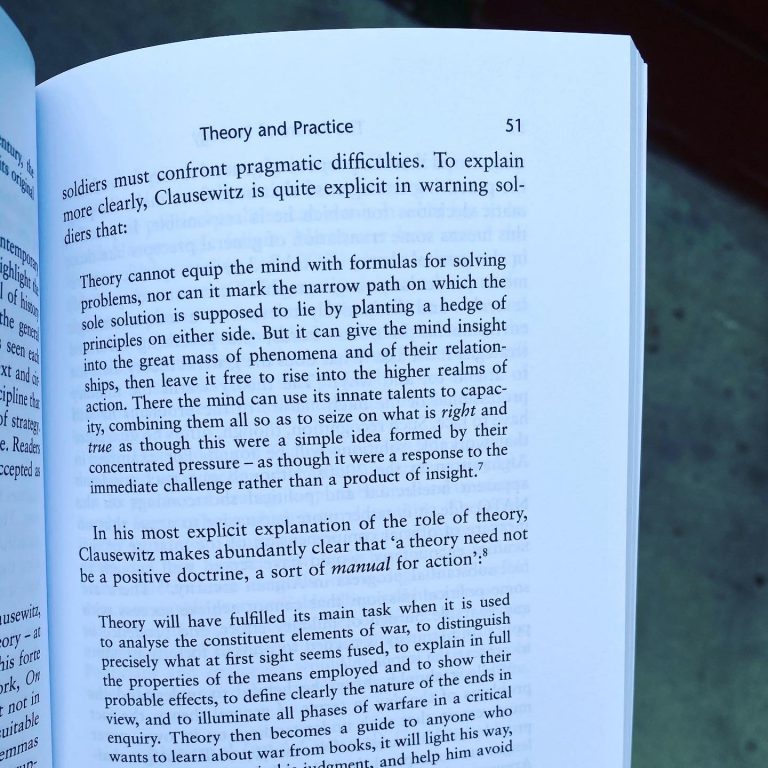
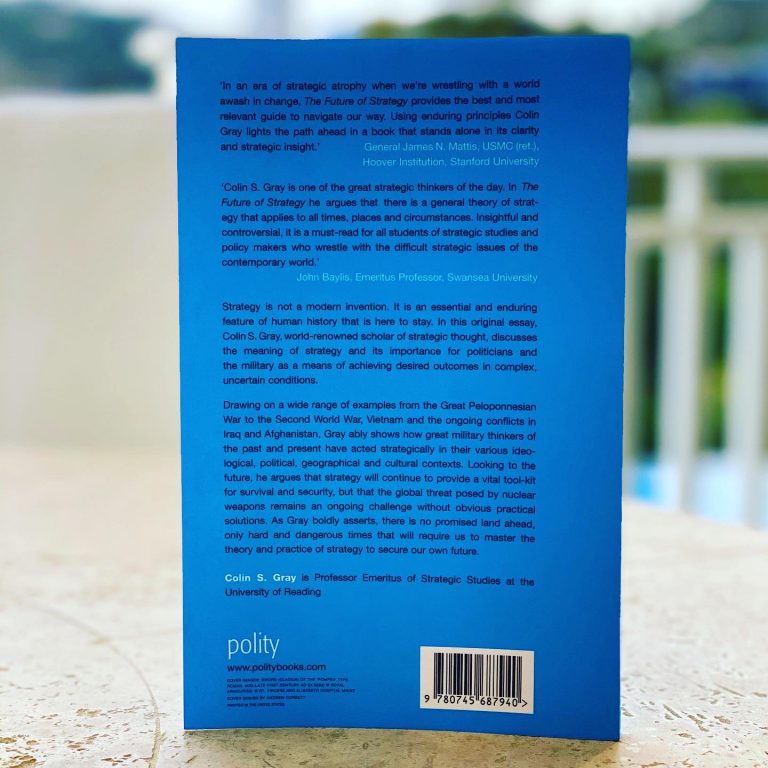
A helpful read from the very distinguished scholar Colin S. Gray, who I learned after reading this book just passed a few months ago. The Future of Strategy is not necessarily what you might assume it would be judging the book by its cover, its title and its length — this is not a case-study filled “big think” book made for a wider audience. It is rather more conservative, meandering and academic, and abashedly geared towards the military and political community. In short, this is not necessarily a book for a general audience hoping to wet their appetite with bullet points on how one should position oneself to optimize for the 21st century. It is rather a book for someone immensely curious to hear Colin Gray philosophize on grand strategic theory.
I say that without any intended factiousness, as Gray is exactly the kind of thinker increasingly becoming an “endangered species.” Dense in thinking, wry and biting, he could not care less whether his book sells, especially if it meant shortening or compromising on core ideas. He is well eulogized by colleague Frank Hoffman when Hoffman writes: “ He was insufferable to the unprepared and the ill-informed, yet invaluable to the curious student willing to work hard and answer his incessant challenge, “So what?”.
This particular book fit that theme well. After nearly 75 pages of qualifications and definition-setting on what “strategy” actually is, Gray finally gets to the topic. And it doesn’t disappoint — here you can find a brilliantly contrarian analysis of the historical continuity of strategy as a near unconscious human behavior, and a great argument as to why we should not leap to the assumption that the fundamental rules of the 21st century will pan out any different than centuries before. In some ways, I actually don’t agree with this, but as such it is even more valuable to hear such a brilliant counterpoint.
Gray does open a few qualifications to his argument that others (principally Toby Orb) would endorse — namely in how the advent of nuclear weapons could potentially fundamentally change human strategic behavior, since these weapons provide little to no way for humans to learn from mistaken use. For the first time in our species’ history, we have no margin for error.