Tao Te Ching
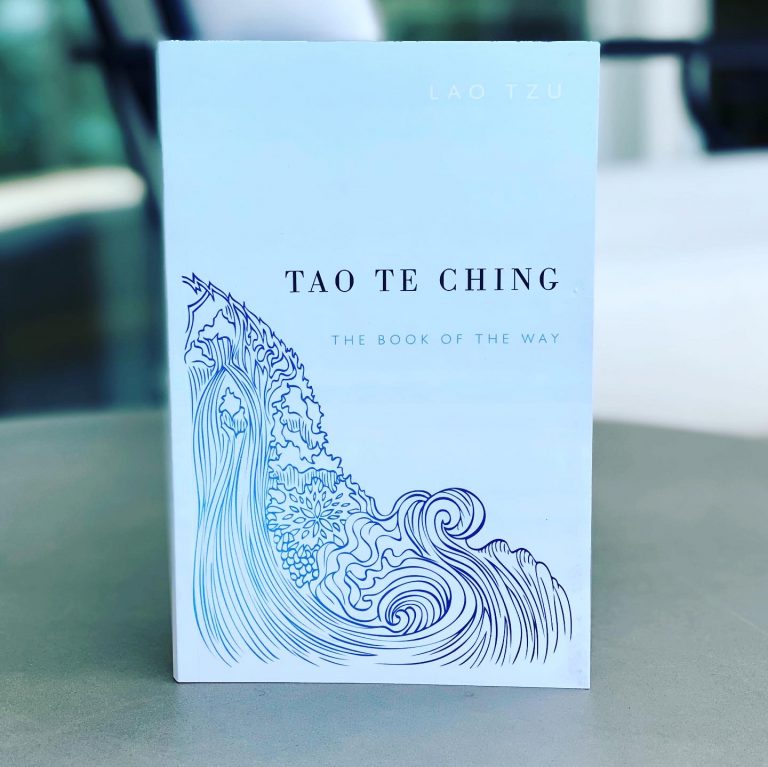
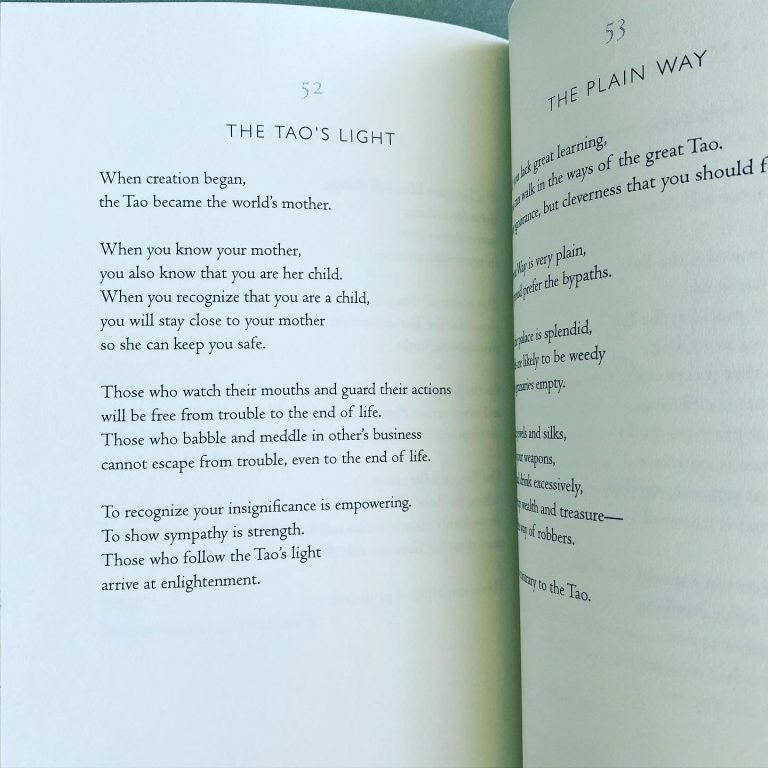
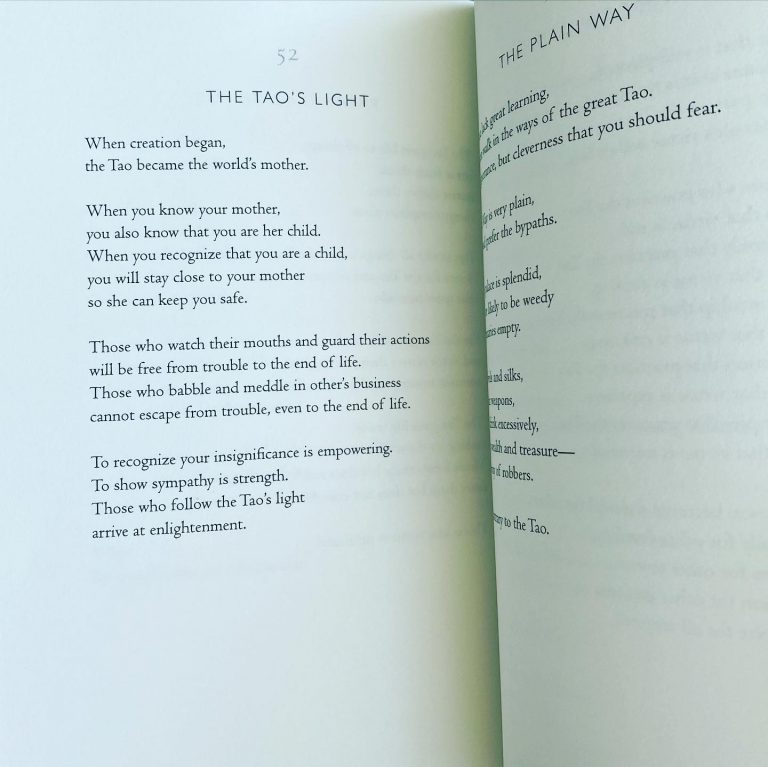
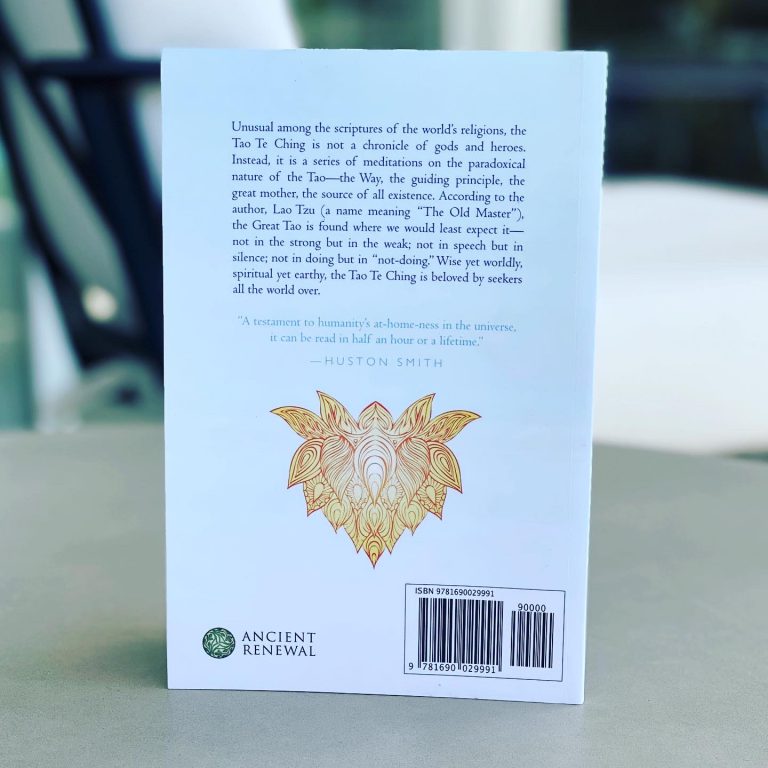
- Form: Paperback
- Page Count: 81
- Purchase Link
It isn’t really possible to “review” something like Tao Te Ching; rather it is more just that this will be the first time (or impression) of reading it, and I’ll have to come back to it many times in the future, as well as read it in reference to the many works that are inspired by it.
With that said, one concept throughout the Tao that I found extremely powerful was that of the relationship between a “perfect” or “complete” idea, and the inevitable deterioration or incompleteness of that idea when it is translated from thought into language. This is what Lao Tzu cautions throughout, that “words have an ancestor — a preceding idea,” and to conflate, ridicule or be confused by words is not quite to have real judgment on the idea that those words imperfectly aim to capture. The more I read (and the more I accumulate life experiences, for that matter) this concept has become a through-line.
I’m reminded of one of the many iterations of it in the present, when I think about the relationship between the rule of law and law itself, and the relationship between societal/moral ideals and their application. This concept of deterioration occurring during translation of something holistic to something applied was once an idea that I shrugged at, but now am fascinated by, and see manifested in so many ideas. It is in Plato (the Platonic ideal and form), Jefferson in his complex meditation on factions and political parties, and in Wittgenstein in his discussions on the relationship between object and subject as it pertains to the divine in art and poetry.
The Tao Te Ching obviously has many more instances of this, and I’m excited to keep it around as they come up organically.