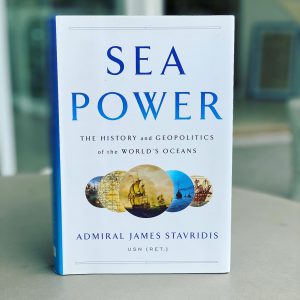
Sea Power

- Form: Hardcover
- Page Count: 386
- Purchase Link
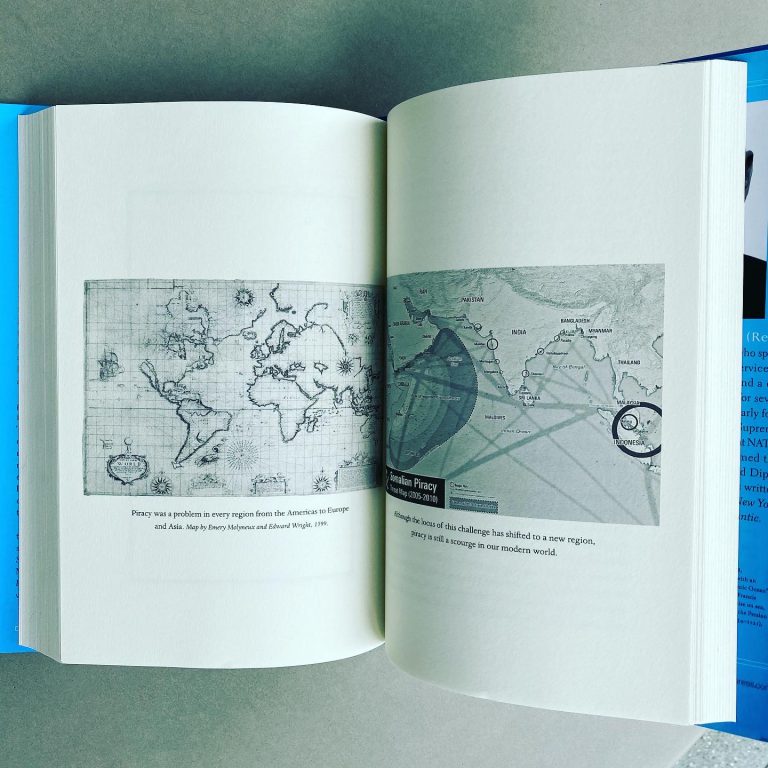
Half a historical volume on the role of each of the world’s oceans in military combat and geopolitical posturing between powers, and half a memoir of Stavridis’ own time in each of worlds’ major waterways. Stavridis is an exceptional writer — he doesn’t have much of staccato prose you find with most military leaders turned authors, and is clearly at home jumping between dense historical analysis and his own experiences.
There are two main takeaways that I got from the book. First, the role ocean politics across transportation, economics, immigration and mass displacement of peoples due to climate change and warfare will be a dominant factor throughout the 21st century. It would be a grave mistake to assume that because transportation from the air and into space has proliferated, that the oceans are somehow less important. Ocean transportation is not old news.
The second is the role of the oceans on the world’s energy and infrastructure needs. So few understand the amount of latent ocean resources, good and bad, that are only now becoming technologically feasible to access. Probably the biggest battleground here is the Arctic, where unthinkable stores of rare Earth materials, oil and other resources exist, previously untouched and now being contested by the United States, Russia, UK, and Scandinavian nations (including Greenland via Denmark). The policy surrounding this area, who acts first, and what military measures may be taken on on it, could affect much of our everyday lives during the coming decades.