Manual on the Art of Living
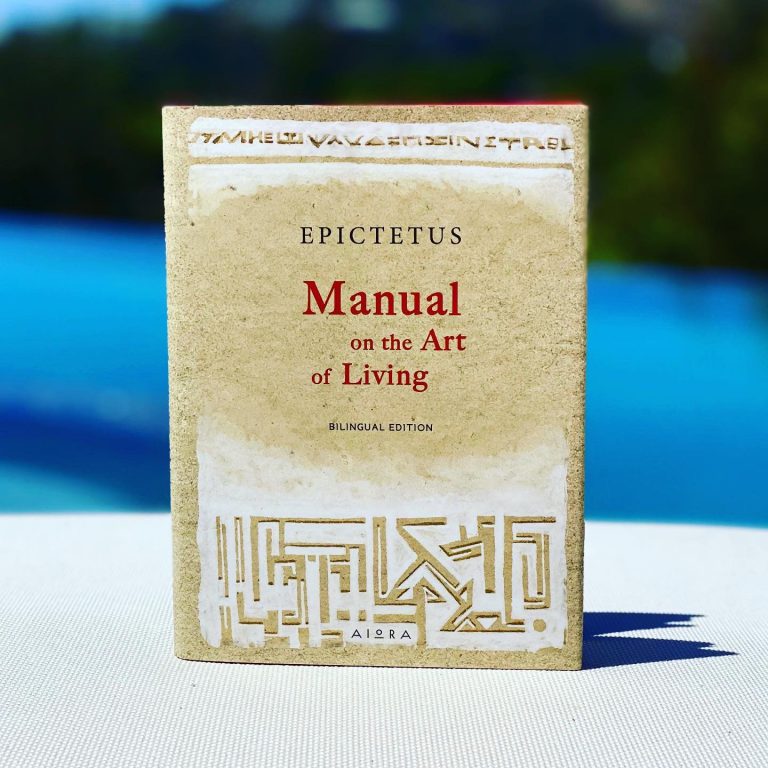
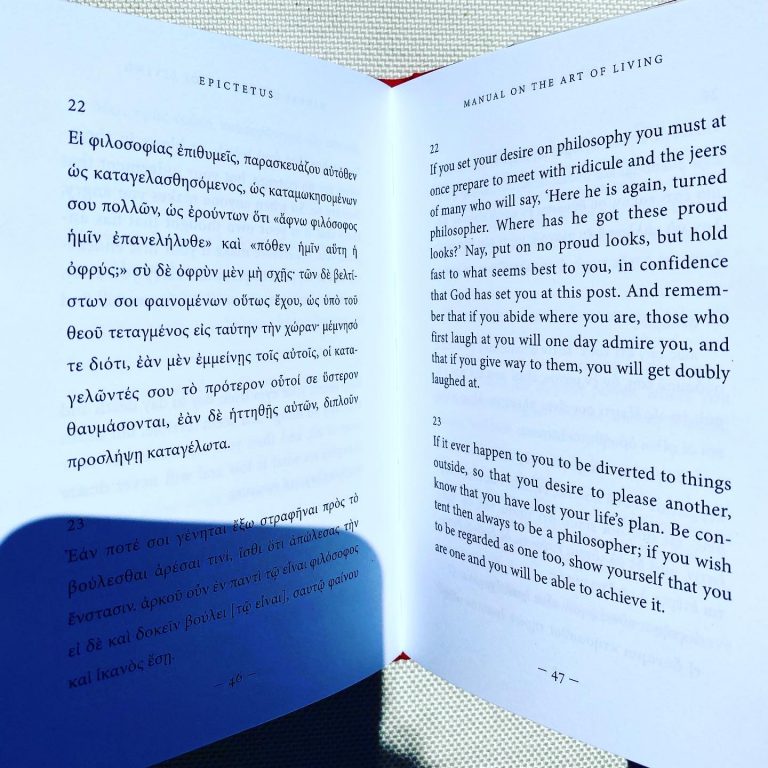
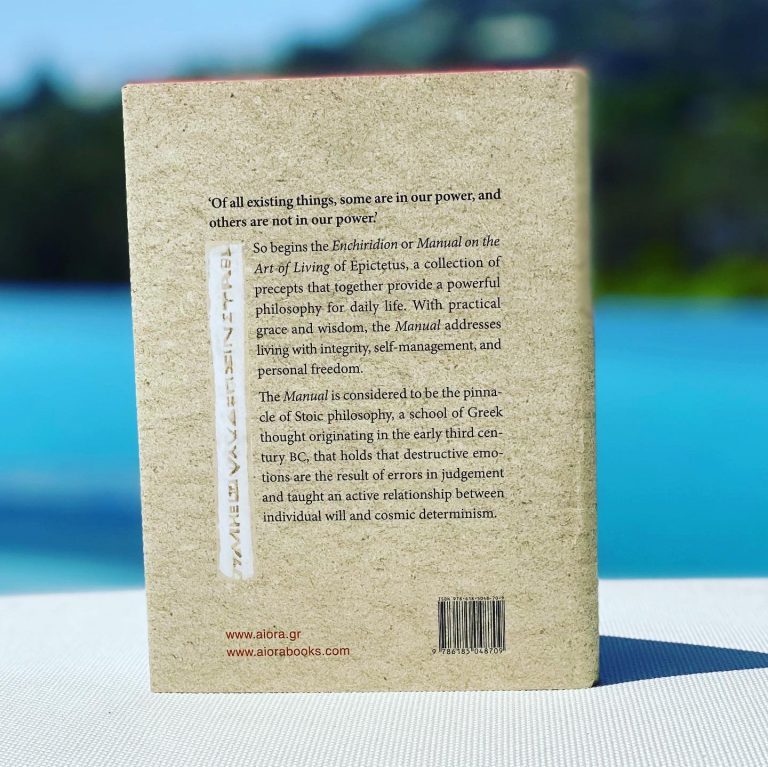
- Form: Hardcover
- Page Count: 107
- Purchase Link
A nice quiet book to read on my birthday, to take a little break from a few really dense and longer ones I’ve been struggling through during the last week.
I think that the recent popular craze around Stoicism is merited, although (not surprisingly) the vast majority of people that say they are stoics aren’t actually following the teachings of Epictetus, Chrysippus, or other shapers of the philosophy. This makes quite a lot of sense, since Epictetus writes from the vantage point of a slave (for many years he was one).
This background, and the context of his time, creates an underpinning, core ethical framework that very few of your contemporary “stoics” would want to follow. These include viewing exercise and achieving physical health as activities not to be prioritized, and to consider the following advice regarding death: “If you kiss your child or your wife, say to yourself that you are kissing a human being, for then if death strikes it you will not be disturbed.”
With that said, more liberal interpretations of stoicism (like more liberal interpretations of other philosophies) do very much have their value. The ideas of removing emotion from critical decision making, and from thinking twice about indulging in destructive addictions, are sorely needed in modern society, and to say it lightly, modern business and political leadership.