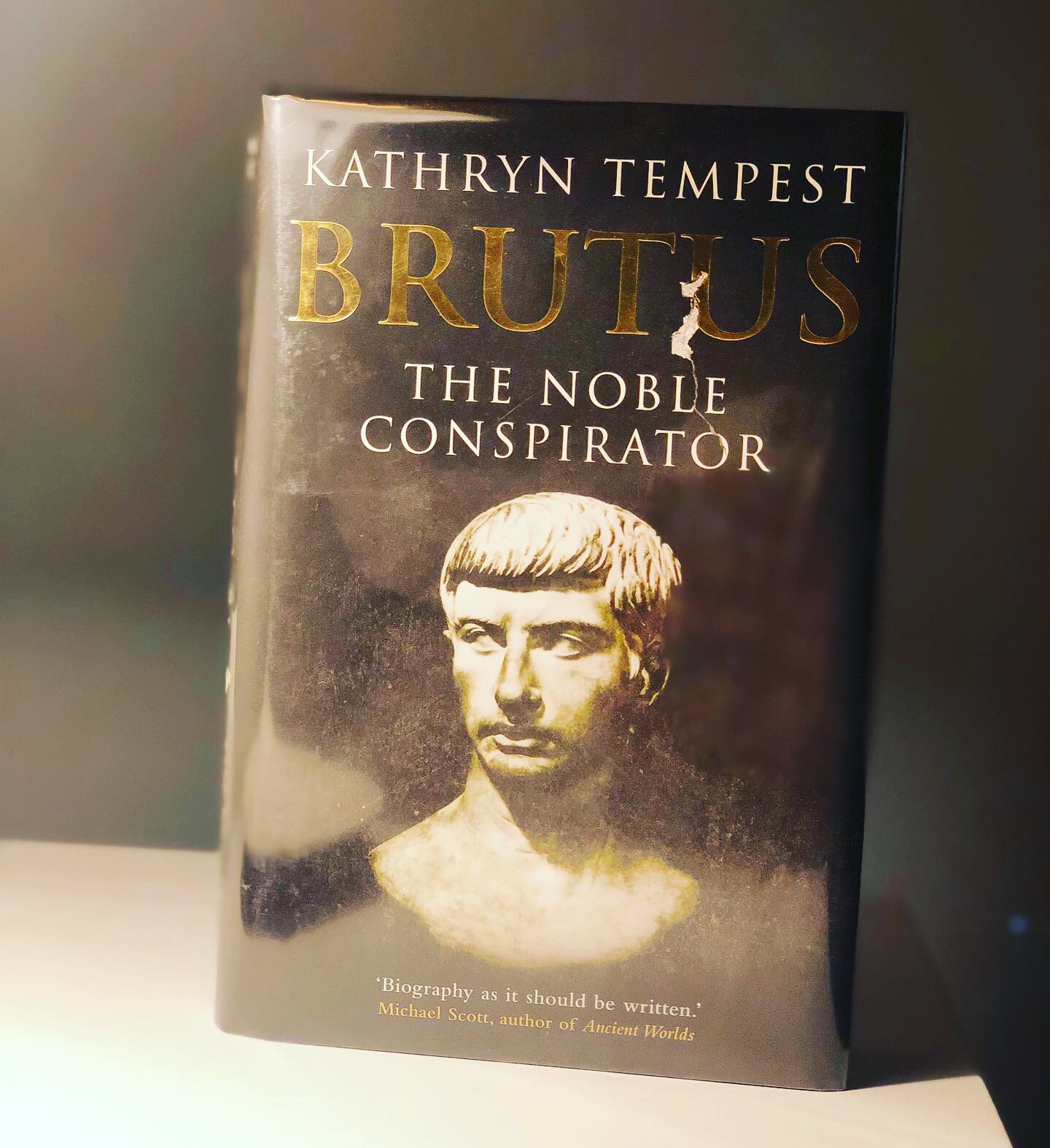
Brutus: The Noble Conspirator

- Form: Hardcover
- Page Count: 336
- Purchase Link
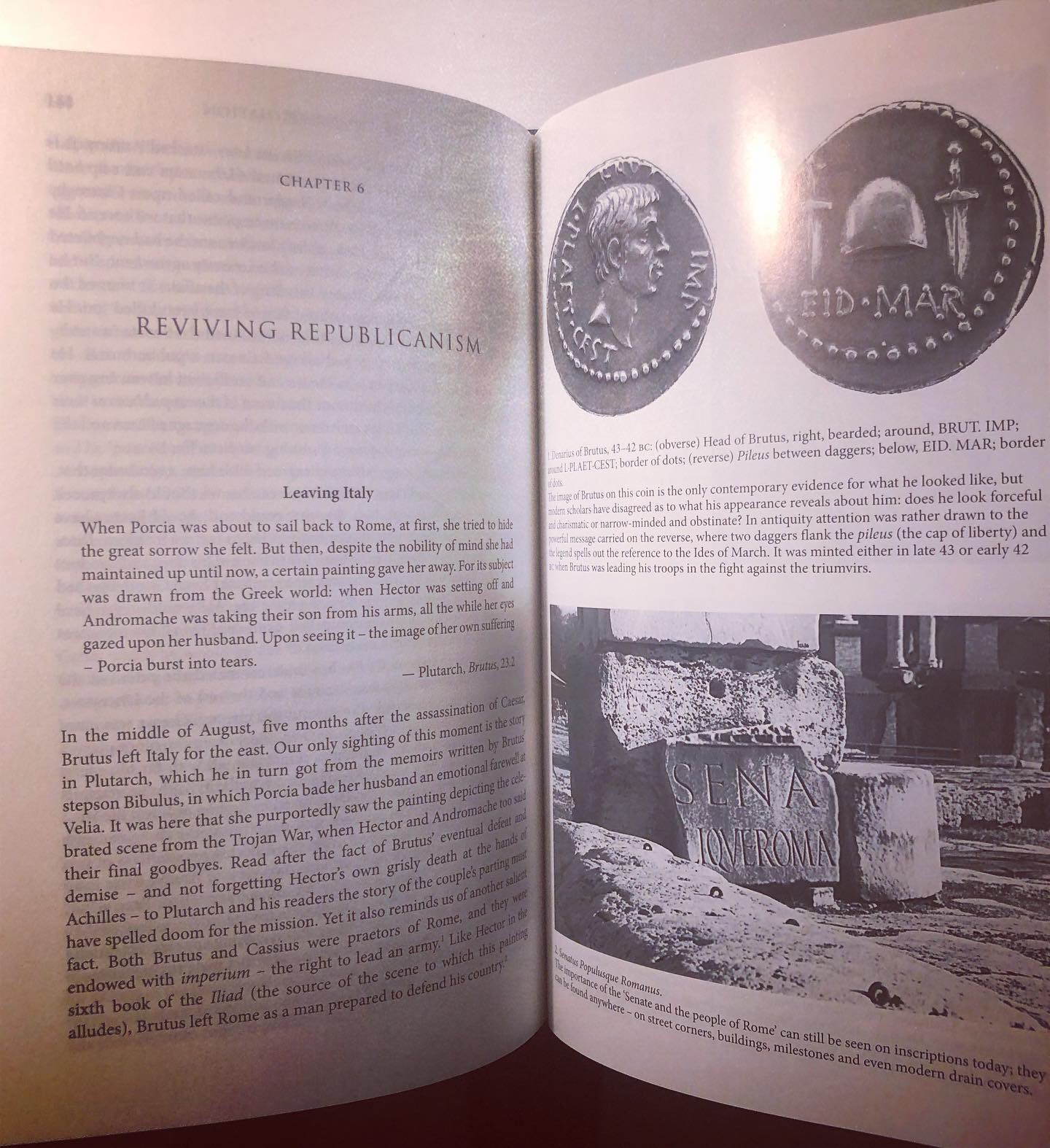
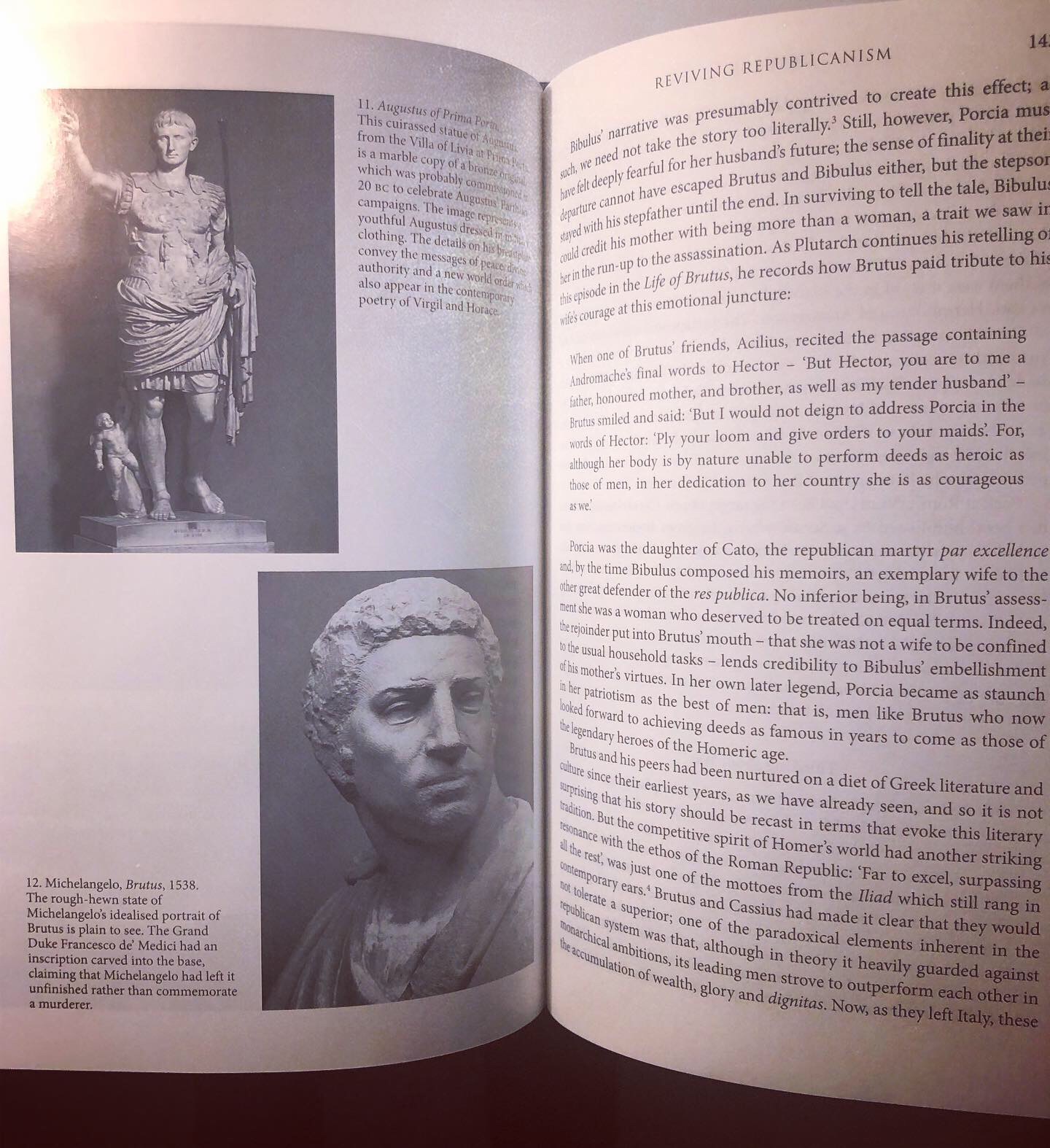
I realized (as many others have) recently that I’ve fallen into the classic trap when it comes to the story of Brutus; I know of him and his life solely in the context of Ceasar’s assassination on the Ides of March, and mostly from Shakespeare’s fictionalized telling, at that. Kathryn Tempest’s book, an incredibly detailed biographic view of Brutus, shows him far more holistically than popular history does. From her telling, Brutus was (and still is) at once a complicated and simple figure; complicated in his dizzying set of contrasting, allegiances, betrayals, decisions, and their resulting legacy, yet surprisingly simple in his underpinning philosophical and moral compass. As you read through the book, you realize that most everything you probably know about Brutus’ life and story, and even the assassination, is wrong, incomplete, or more nuanced than your prior conception. And that makes this biography in particular one of the most useful I’ve read yet, for it provides nuance on both the life of a truly consequential historical figure, but also on the flawed hearsay and myth that subsequent history itself can have on a life and legacy.
The book also paints a vivid picture of the surrounding politics and relationships surrounding Brutus and the assassination. Cicero’s depiction in particular was fascinating, as it showed the extent to which he was able to intellectually influence Brutus and the conspirators, often from afar and never through direct action. I’d highly recommend this book, irrespective of your interest in this part of history.