Beethoven
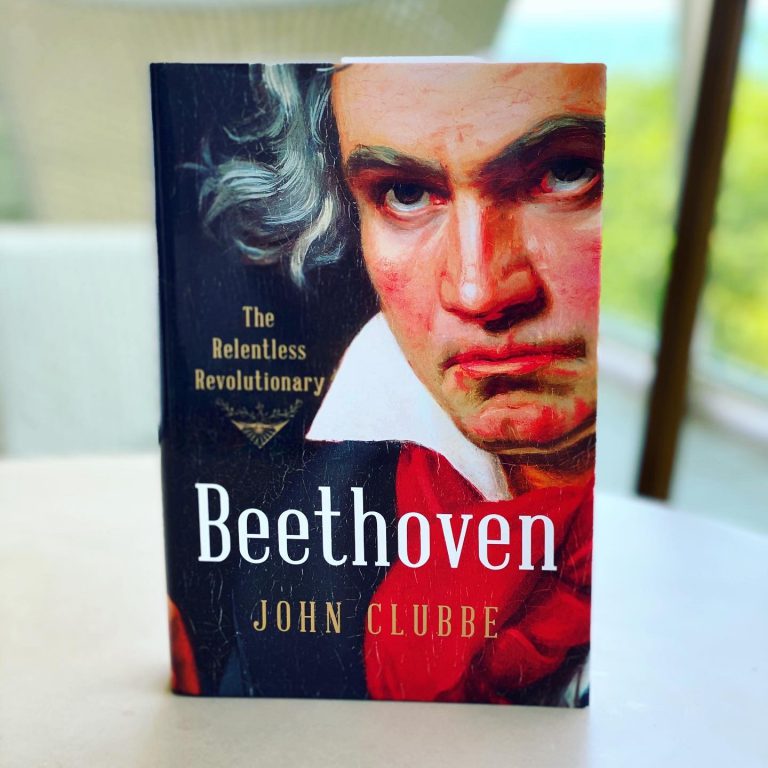

- Form: Hardcover
- Page Count: 505
- Purchase Link
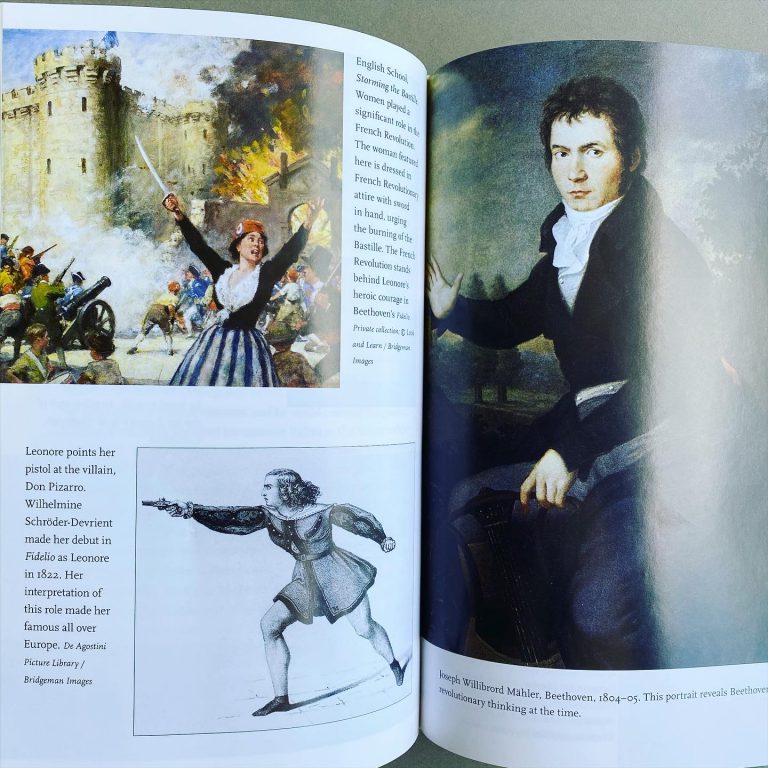
A different biography than I anticipated, but in a good way. Clubbe paints a vivid picture of the social context Beethoven existed in, in the near police-state of Vienna, then Paris, then back to Vienna, and how it often frustrated the liberal and revolutionary young genius. Unlike contrarian literary and playwright figures, Beethoven was able in the most part to evade one of the most stifling forces against creativity: the censors.
While no one could quite pin it, he was able to use music as a medium for deeply passionate, foundational political and philosophical statement, and do so while simultaneously living as a celebrity amongst a literati and landed class he often disagreed with.
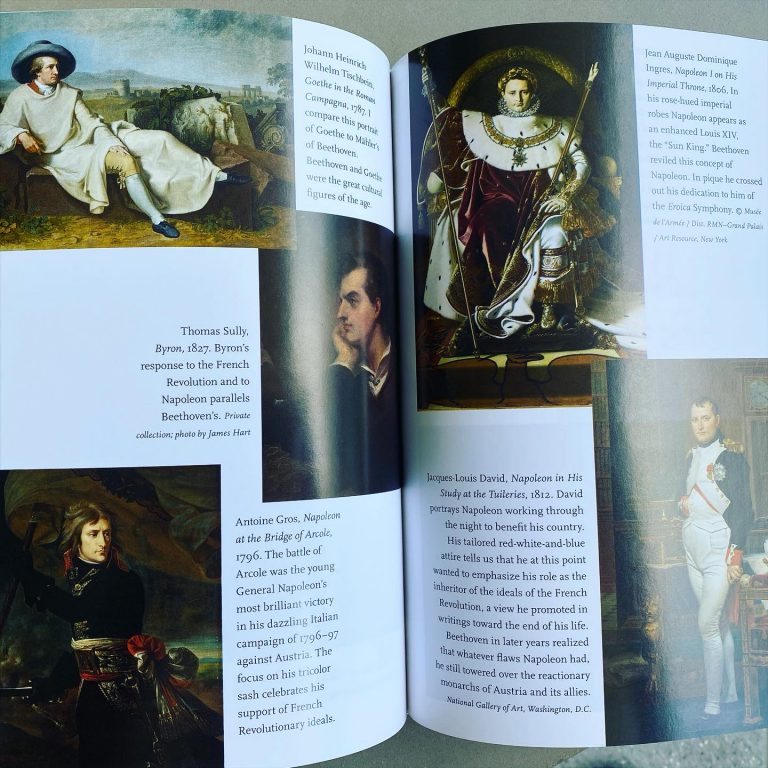
One thing I was very surprised to learn from this book: it is remarkable how much of Beethoven’s career, music, personal life, and politics were influenced by Napoleon, his campaigns, and his cult of personality, even though the two barely interacted. Beethoven’s relationship with Napoleon was both as a sort of muse, but also as a recurring nightmare. We have the oscillations between those two extreme states partly to thank for his musical genius, but also for his emotional tribulation. While Napoleon faced physical exile on St. Helena, Beethoven almost simultaneously faced his own exile in the form of his deafness. They even died close together, and propagated similar post-mortality myths.
This was quite a long book, and did take me a bit of time to get through it. I also underestimated the frustration of reading a meaty biography of a musician, because of how much it requires the reader to stop and listen to the relevant compositions while reading. I wouldn’t jump to recommend this to someone unless they are interested in both Beethoven’s musical creations but also have at least a cursory interest in cultural live and politics of this era.