A World In Disarray
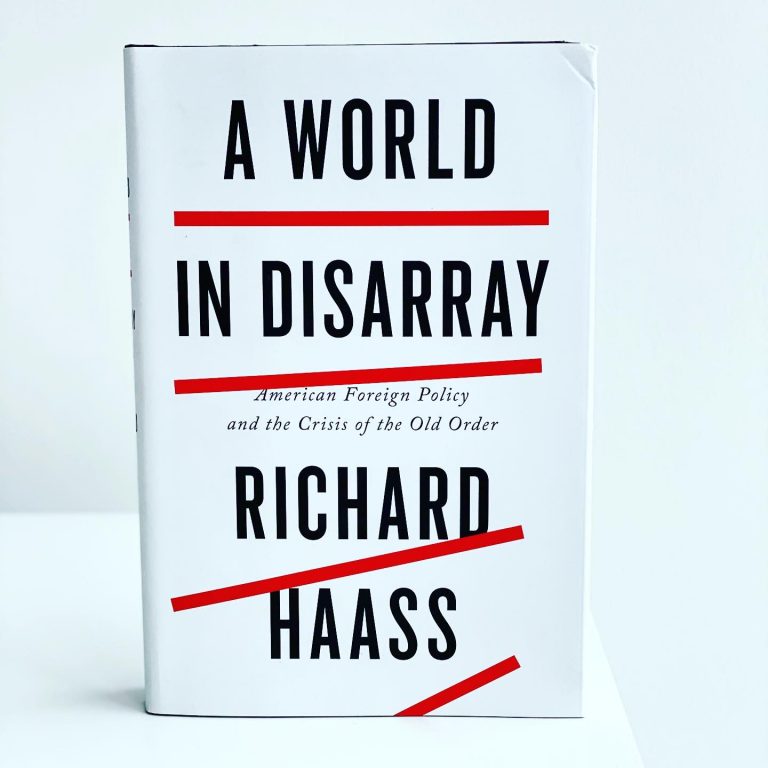
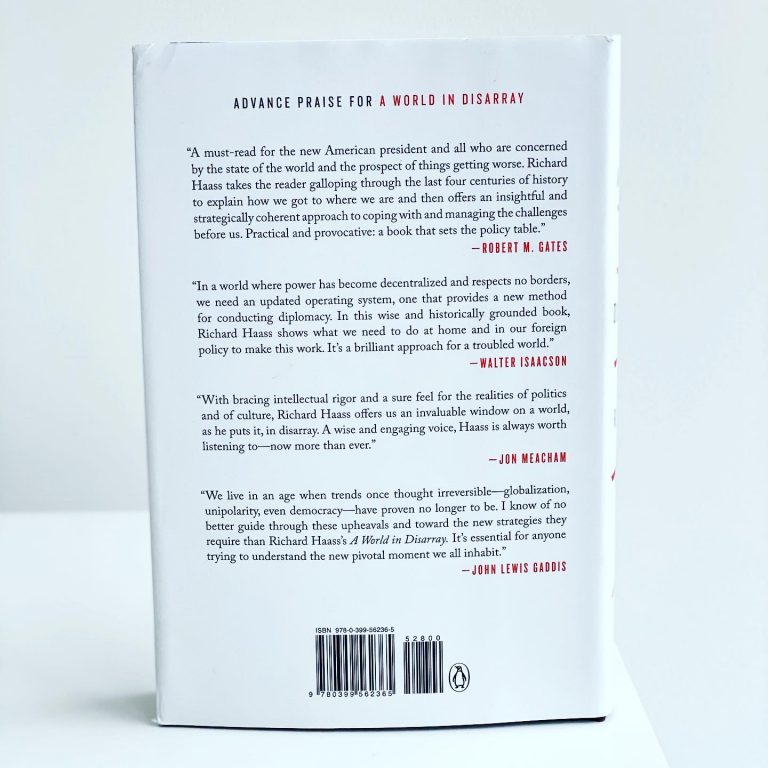
- Form: Hardcover
- Purchase Link
- Page Count: 339
I made the not so wise decision about two weeks ago to choose two extremely dense and long historical books to read next, and while each are fascinating, they have both really slowed me down, especially during the holidays. To supplement that, I halted the other two books and read this. It was an exceptional third book to read, not just due to my respect for the author, but also because of its contemporary importance.
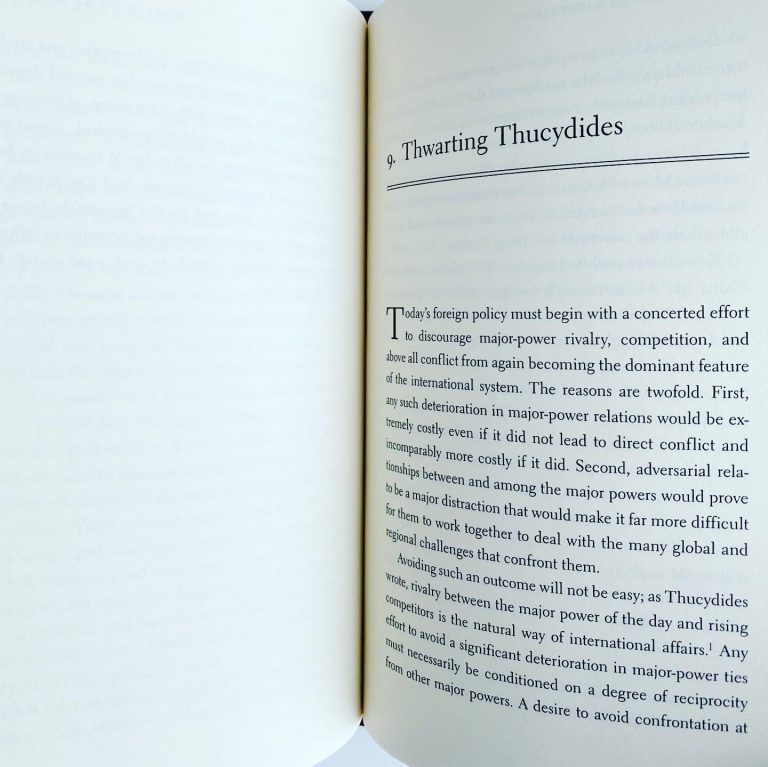
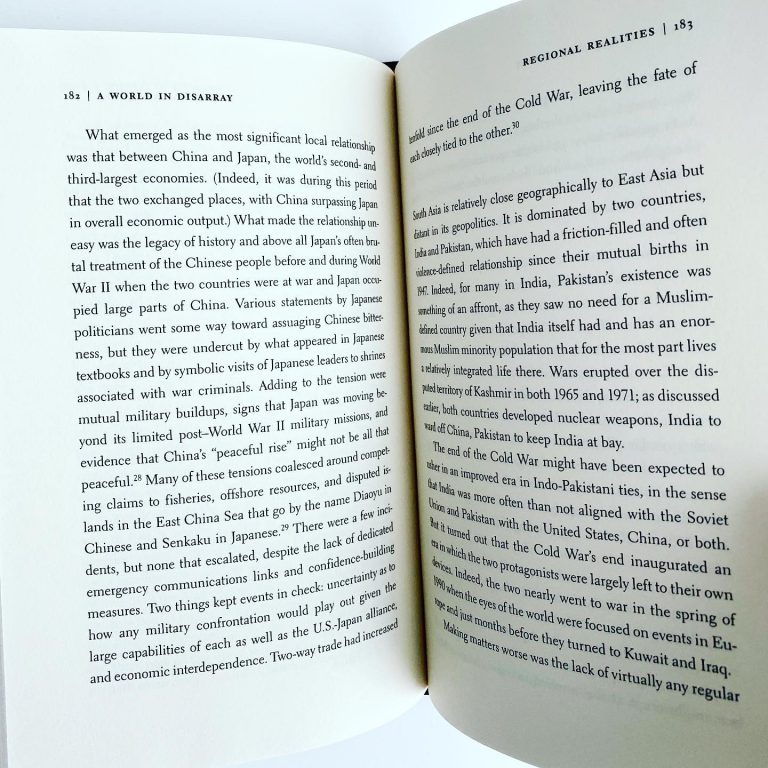
I think the most significant thing I got out of this book was a far deeper appreciation for the role of complexity and non-traditional behavior in today’s geopolitical world. Haass so clearly juxtaposes the (relatively) more clear cut Westphalian system to many aspects of the present. It reminds me somewhat of Clausewitz’s concept of “friction” — I.E. the set of unpredictable elements that transpire in an event such as war that cannot be placed onto a map or into a linear strategy.
One aspect of this Haass talks about well in the book is the supply chain of nuclear weaponry and other future arms threats; the decentralized world of today allows for materials to change hands so easily, and at such speed, that it simply does not compute to assume other States can be put under control.